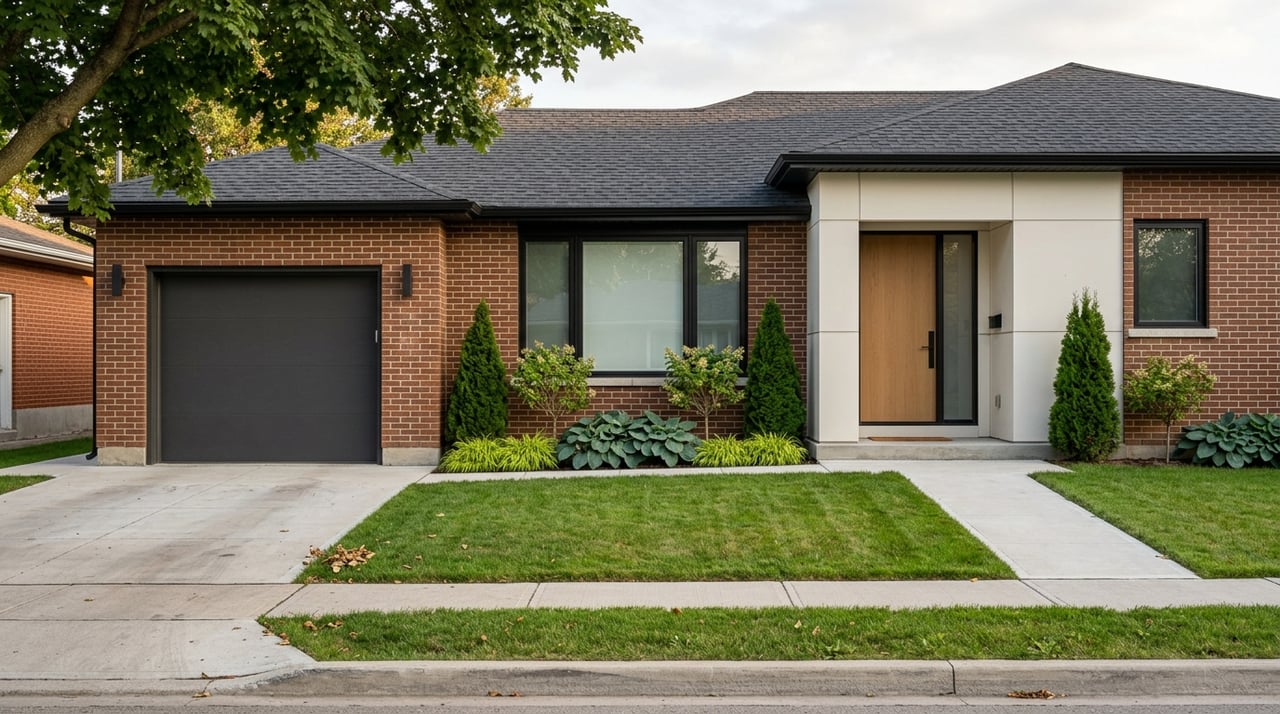
Mississauga Home Selling Timeline: What to Expect
April 9, 2026
April 9, 2026
If you are thinking about selling your home in Mississauga, one of the first questions you probably have is simple: how long will this actually take? The honest answer is that your timeline is not fixed. Between prep work, time on market, buyer conditions, and the final closing process, most sales move through several stages over a period of weeks, not just a weekend. This guide will walk you through what to expect from decision to closing so you can plan with more confidence. Let’s dive in.
A home sale in Mississauga does not follow one exact script. Your timing can change based on property type, neighbourhood, pricing, condition, and buyer demand at the moment you list.
According to TRREB market data for Mississauga, year-to-date 2026 figures show 644 sales, an average price of $953,840, and a median price of $845,000. That same market context shows timing is usually measured in weeks.
In TRREB’s Q4 2025 Mississauga community report, average days on market ranged from 29 days in Churchill Meadows to 40 days in Applewood and City Centre, with other areas like Mississauga Valleys and Erin Mills in between. A separate TRREB February 2026 snapshot for detached homes in Mississauga showed 33 days on market, which is a helpful reminder that property type matters too.
The key takeaway is this: if you are planning your next move, it is smart to think in phases, not in a best-case scenario. That makes it easier to line up your sale, purchase, move, and finances with less stress.
Before your home goes live, there is usually a planning and preparation phase. This is where you build the foundation for the sale.
The RECO seller checklist advises sellers to choose the right registered agent, review the listing agreement carefully, confirm that listing details are accurate, and budget for expenses like commission, legal fees, and moving costs. It also recommends thinking ahead about whether your sale closing date will line up with your next purchase.
For many Mississauga sellers, this phase takes about 1 to 3 weeks for a straightforward listing. If your home needs larger repairs, more involved staging, or extra document gathering, it can take longer.
This phase often includes:
RECO specifically notes that listing details should be accurate and supported where possible by documentation. That matters because clean, correct information helps reduce confusion later in the process.
Many sellers think the timeline begins when the listing hits the market. In reality, pricing decisions start shaping the timeline much earlier.
A well-planned price can help your home attract serious attention sooner. If pricing and presentation are not aligned with the market, you may add extra days or even weeks to the process.
Once your home is on the market, the next phase is showings, open houses, and buyer feedback. This is the stage most people picture when they think about selling, but it is only one part of the full timeline.
RECO recommends planning showing logistics in advance, setting clear ground rules with your agent, and removing valuables and personal information from the home. If you want to hold offers until a specific date, RECO says that direction must be provided in writing.
In Mississauga, this phase often lasts multiple weeks, not just a few days. Local neighbourhood and property-type data support that expectation.
That does not mean your home cannot sell quickly. It means your plan should be built around a realistic market window instead of a guaranteed same-week result.
Several factors can influence how long your home stays active:
This is where a structured marketing and launch plan can make a real difference. Strong preparation often gives your listing the best chance to perform well early, when buyer attention is usually strongest.
Once you accept an offer, the sale is not always finished right away. The next stretch depends on the terms written into the agreement of purchase and sale.
Some offers may include conditions that need to be satisfied before the deal becomes firm. According to RECO guidance on offers and conditions, financing conditions may still be important even if a buyer has been pre-qualified, and home inspections are often recommended.
After acceptance, you may move through:
This period may be short, but it still needs room in your timeline. If a buyer needs a few days to complete financing or inspections, your next steps may pause until those conditions are resolved.
Even after a deal becomes firm, there is still work to do before closing. The legal and administrative side of the transaction can move smoothly, but sellers should not assume it is automatic.
The Law Society of Ontario’s guidance on electronic registration notes that if registration issues arise on closing day, parties may need to amend the agreement to extend the closing date or make escrow arrangements. That is one reason why a little buffer can be so valuable.
After the offer is firm, the deal moves toward closing. This stage often feels quieter, but it is still important.
During this time, your lawyer handles closing preparations, and you get ready to move out. The buyer may also have a pre-closing visit, which RECO describes as the final chance to confirm the property’s condition, fixtures, appliances, and any agreed repairs or inclusions.
As the seller, you should keep the home in the agreed condition until closing. That includes leaving included items behind and making sure any promised repairs are completed if they were part of the agreement.
A simple closing checklist may include:
Because every sale is different, there is no universal calendar. Still, a practical Mississauga plan often looks something like this:
| Stage | Typical planning window |
|---|---|
| Prep and pricing | 1 to 3 weeks |
| Active market time | Several weeks |
| Conditional period | A few days to over a week |
| Firm sale to closing | Several more weeks |
This is not a rule. It is a planning framework based on local days-on-market data, RECO guidance, and the Ontario closing process.
The biggest timeline problems usually come from a few predictable spots. If you know where they are, you can plan around them.
Repairs, decluttering, and staging often look simple on paper. In real life, they can take longer, especially if you are also working, parenting, or house hunting at the same time.
Even in a solid market, not every home sells right away. Mississauga data supports planning for a multi-week listing phase, so it is wise not to build your moving schedule around a same-week sale.
Financing and inspection conditions can add a short but meaningful pause after acceptance. That pause is normal, but you should account for it.
Legal or registration issues do not happen every time, but they are a real possibility. Leaving some flexibility between your sale closing and your next move can help protect you from last-minute stress.
If you want a smoother experience, focus less on the fastest possible outcome and more on a timeline that can absorb change.
A safer plan usually means:
For move-up sellers, this matters even more. RECO specifically advises sellers to think about what happens if the closing dates on the sale and purchase do not line up.
Selling a home is not just about putting a sign on the lawn. It is a chain of decisions involving pricing, documentation, access, negotiation, conditions, and closing coordination.
That is why a step-by-step approach matters. When you understand the timeline in advance, you can make better decisions, avoid rushed choices, and protect your next move.
If you are planning to sell in Mississauga and want a clear roadmap from prep to closing, Team Durrani can help you build a practical plan that fits your goals and your timing.
Stay up to date on the latest real estate trends.




Whether you're buying, selling, or investing, Team Durrani is ready to provide the expertise and dedication you deserve. Contact us today to begin a professional, transparent, and results-driven real estate journey.
Team Durrani
Address
17-1075 North Service Rd. W
Oakville, Ontario, L6M 2G2