Buy and Sell in Etobicoke With a Clear Moving Plan
May 21, 2026
May 21, 2026
Trying to buy and sell at the same time in Etobicoke can feel like a high-wire act. You want to protect your budget, avoid a rushed decision, and still land the right next home without unnecessary stress. The good news is that with the right sequence, a clear financing plan, and realistic timing, you can make the move with more confidence. Let’s dive in.
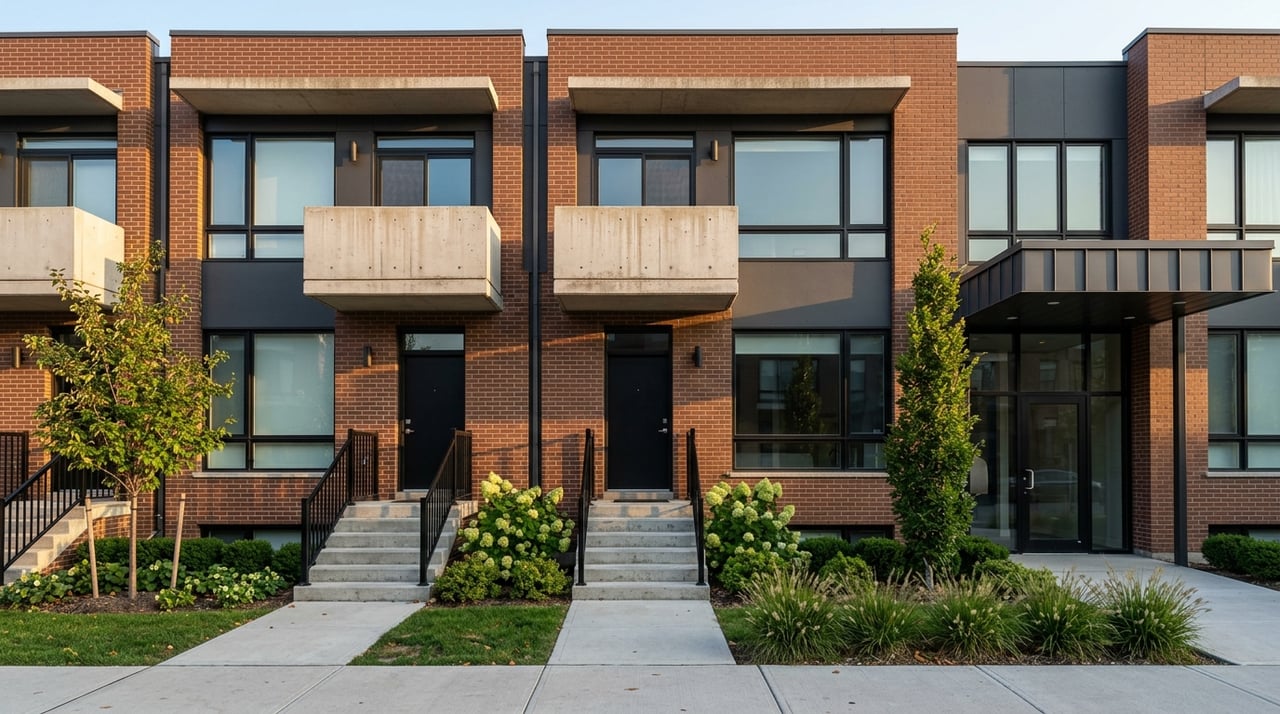
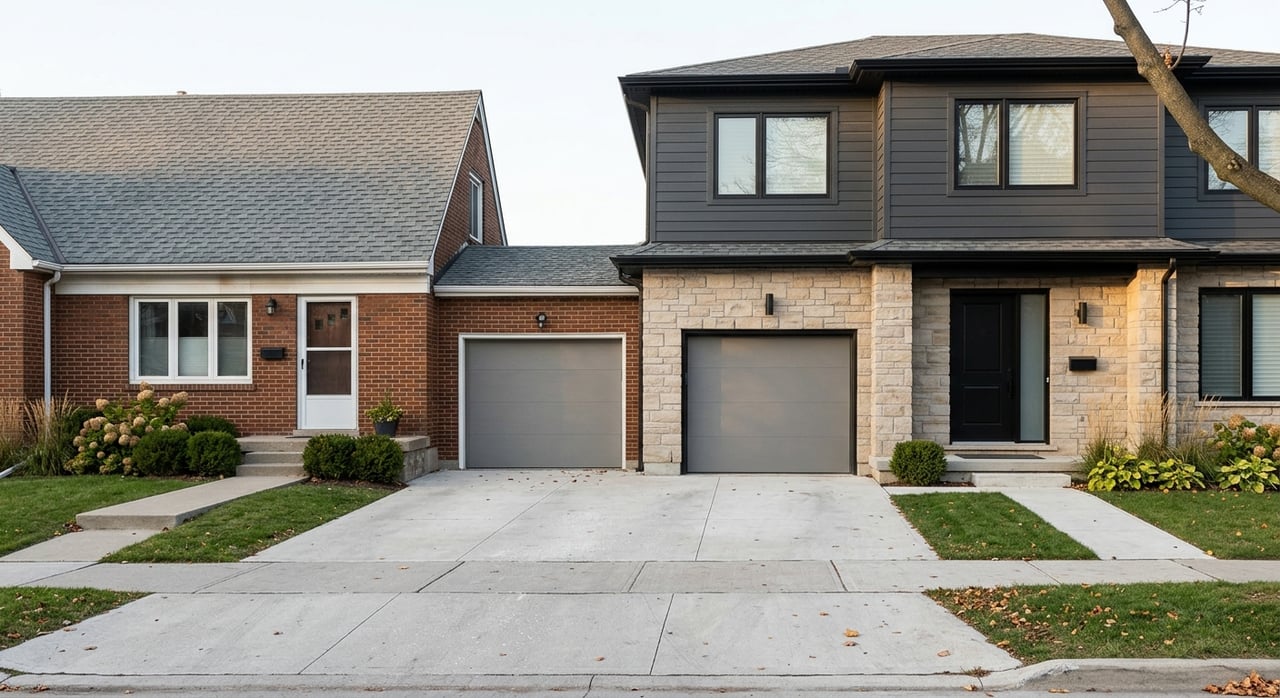
Etobicoke is not a one-size-fits-all market. In the 2021 census profile for Etobicoke-York, the housing stock included 30.0% single-detached homes, 6.2% semi-detached homes, 5.8% row houses, 11.6% apartment buildings under 5 storeys, and 42.4% apartment buildings with 5 or more storeys. That mix matters because the timing and cash-flow pressure of moving from one home to another can look very different depending on what you own now and what you plan to buy next.
Recent Toronto West resale data also shows why same-time moves need a tailored plan. In January 2026, detached homes averaged $1,351,404 with 33 days on market, semi-detached homes averaged $1,016,697 with 38 days, townhouses averaged $1,079,729 with 33 days, and condo apartments averaged $562,684 with 52 days. If you are moving from a condo to a detached home, your equity, affordability, and timing risks may be very different than if you are downsizing from a detached house to a condo.
On top of that, the broader GTA market has been mixed rather than uniform. TRREB reported 5,946 GTA home sales in April 2026, up 7% year over year, while the average selling price fell 4.9% and the MLS HPI Composite fell 6.6% year over year. In plain terms, some buyers may have more negotiating room than they did in a tighter market, but that does not remove the need for a careful plan.
Before you look at listings or book movers, get clear on your financial picture. A same-time move usually works best when you know what you can borrow, what your current home may net after selling costs, and how much timing risk you can realistically carry.
A practical starting point looks like this:
In Toronto, buyers also need to plan for both the Ontario land transfer tax and the City of Toronto municipal land transfer tax. The City of Toronto states that the municipal tax applies to all Toronto property purchases in addition to the provincial tax, and graduated municipal rates for certain high-value residential properties took effect April 1, 2026. If you are buying in Etobicoke before your current home closes, that added upfront cash requirement becomes especially important.
Other closing costs can include legal fees and disbursements, appraisal fees, title insurance, interest adjustments, estoppel certificates for condos, and moving expenses. If bridge financing enters the picture, that adds cost too. That is why a same-time move should start with planning, not guesswork.
For many homeowners, selling first is the lower-risk path. It gives you a firmer sense of how much money you will have for the next purchase, makes it easier to qualify for the new mortgage, and reduces the risk of carrying two mortgage payments at once.
Selling first can be especially helpful if you have a lower risk tolerance, limited cash reserves, or a property type that may take longer to sell. In Toronto West data, condo apartments had a longer average days on market than detached homes, semis, and townhouses in January 2026. That does not guarantee your condo will take longer, but it does show why some sellers prefer to secure the sale before committing to the next purchase.
The downside is timing. If your current home closes before your next one does, you may need temporary housing, storage, or a rent-back arrangement. In some situations, a rent-back can help you stay in your sold home for a short period after closing while you finalize the next move.
You may prefer this route if:
Buying first can work well when you need continuity and do not want to move twice. It can also help if you want to move out first, then clean, repair, stage, or improve your current property before listing it.
This option often appeals to households that want more control over the next-home search. Instead of rushing to buy after a sale, you can secure the home you want first and then prepare your current property for market. That can reduce stress, but only if your finances can support the overlap.
The main risk is cash flow. If your new home closes before your current one sells, you need a plan to cover that gap. That may come from savings or short-term financing, but it should be weighed carefully because short-term borrowing can be expensive.
You may lean this way if:
Bridge financing is a short-term tool that helps cover the gap between buying your next home and closing the sale of your current one. It is meant to solve a timing problem, not serve as a long-term mortgage.
Lenders commonly want both a firm sale agreement on your current home and an approved mortgage on the new property before advancing bridge financing. It is usually best suited to situations where both transactions are already lined up and you only need short-term overlap to get from one closing date to the other.
The key caution is cost. Bridge financing can be useful, but it should not be treated like a default solution. If you are considering it, the question is not just whether you can get it, but whether the cost and risk make sense for your move.
Imagine your current Etobicoke home has sold firmly, but it closes on June 28. You bought your next home and that purchase closes on June 10. If your lender approves bridge financing, it may help cover that 18-day gap so you can complete the purchase before receiving your sale proceeds.
Sometimes the best answer is not just buy first or sell first. It is using contract timing and negotiation tools to reduce your exposure.
A purchase offer can sometimes be made conditional on the sale of your current home. In other cases, your sale may be structured around your need to find the next property. These tactics can be more workable when competition is softer and the other side has more flexibility.
A rent-back can also help solve timing friction. If you sell first but need a short period before moving, you may be able to stay in the home after closing under agreed terms. That can create breathing room without forcing a rushed purchase.
The best sequence depends on your finances, your comfort with risk, and the type of property involved. A condo owner moving up to a detached home may face a different timing and affordability challenge than a detached homeowner moving into a condo.
Here is a simple way to think about it:
| Your situation | Often the better fit |
|---|---|
| You need your sale proceeds to buy | Sell first |
| You want the least financial risk | Sell first |
| You found the right next home and can carry overlap | Buy first |
| You have a firm sale and firm purchase with close dates | Bridge financing may help |
| You need flexibility between closings | Rent-back may help |
The point is not to force one answer for everyone. The goal is to match the strategy to your household’s numbers and your timeline.
A coordinated same-time move usually starts before your home hits the market. The smoother your plan is upfront, the fewer surprises you face once offers and closing dates are in play.
A solid process often looks like this:
Start with mortgage pre-approval and a realistic affordability review. This helps you understand what you can buy, whether you may need sale proceeds first, and what level of overlap you could tolerate if needed.
Look beyond headline sale price. Factor in closing costs, land transfer taxes on the purchase, legal fees, and any moving or storage costs so your budget reflects the real picture.
Think about how your current home may perform in today’s market segment. If your property type is moving more slowly on average, selling first may reduce pressure. If demand is stronger in your segment and you have financial flexibility, buying first may be more realistic.
Try to line up sale and purchase dates as closely as possible. Then create a backup plan in case the dates do not align, such as temporary housing, a rent-back, or bridge financing if appropriate.
If you are selling, get your home ready early. If you are buying first, map out exactly how the down payment, closing costs, and timing gap will be handled before you waive conditions or finalize dates.
Buying and selling at the same time is really a coordination challenge. It touches financing, taxes, contract timing, negotiation, and move logistics all at once.
That is why a structured, detail-driven approach matters. When you know your numbers, understand your options, and plan for backup scenarios, you can make decisions from a position of clarity instead of pressure.
If you are planning a same-time move in Etobicoke, the right strategy starts with your budget, your property type, and your tolerance for timing risk. For a tailored plan to buy, sell, and coordinate the move with less stress, connect with Team Durrani.
Stay up to date on the latest real estate trends.




Whether you're buying, selling, or investing, Team Durrani is ready to provide the expertise and dedication you deserve. Contact us today to begin a professional, transparent, and results-driven real estate journey.
Team Durrani
Address
17-1075 North Service Rd. W
Oakville, Ontario, L6M 2G2