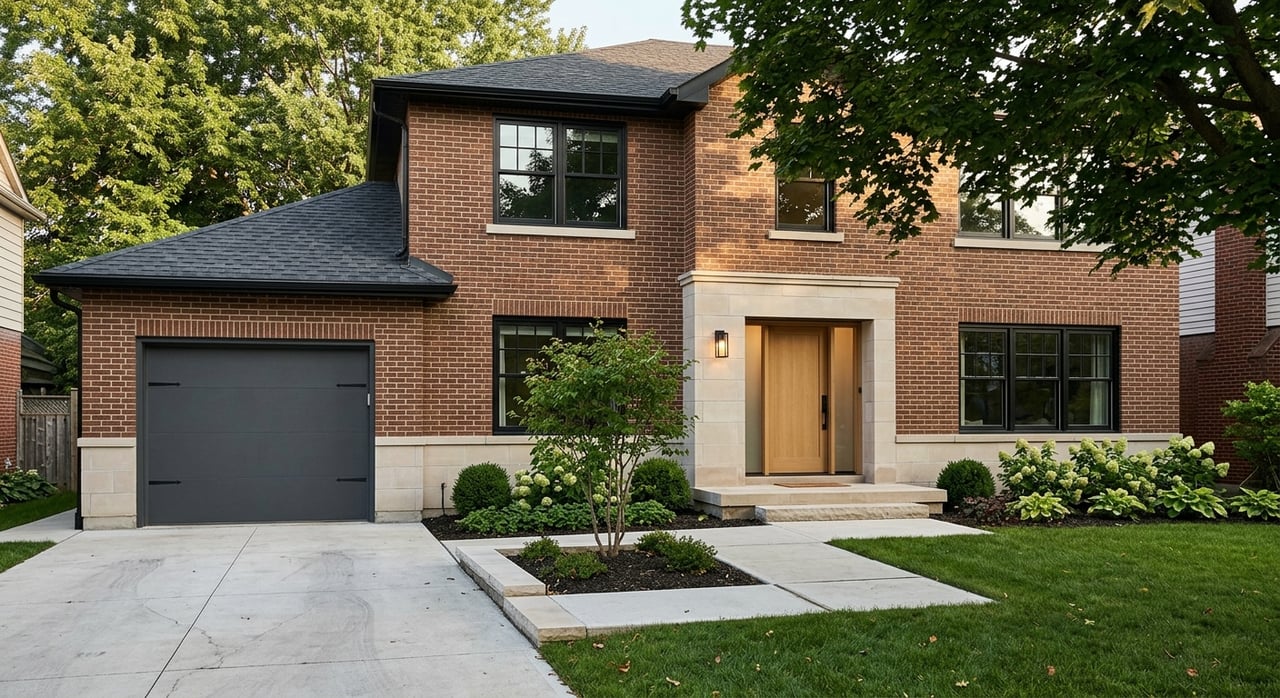
Planning Your Burlington Home Sale From Start To Offer
July 2, 2026
July 2, 2026
Selling your home in Burlington can feel like a race against the market, but right now, speed is not the only goal that matters. You want the right preparation, the right price, and a clear plan for what happens when buyers start paying attention. If you are thinking about listing soon, this guide will help you understand how to move from early planning to a confident offer review. Let’s dive in.
If you are waiting for a guaranteed fast-sale market, Burlington’s current numbers suggest a more measured pace. In May 2026, Burlington recorded 223 sales, 452 new listings, 3.9 months of supply, and 32 days on market, with an average sale price of $1,200,995.
That means buyers have options, and sellers benefit most from being well prepared. Instead of focusing on the perfect week to list, it makes more sense to focus on readiness, presentation, and pricing discipline from day one.
Broader GTA spring data also pointed to buyers keeping meaningful negotiating power. For you, the takeaway is simple: a strong launch usually matters more than trying to time a perfect calendar moment.
A smooth home sale usually starts well before your listing goes live. The more organized you are upfront, the easier it becomes to price accurately, answer buyer questions, and avoid delays later.
Before listing, it helps to gather the facts and paperwork tied to your home. RECO recommends making sure listing details are accurate and supported by documents where possible.
Start by pulling together records that support your property details and updates. This can include:
These details matter because buyers often compare listings closely. Accurate information helps your home stand out for the right reasons and reduces confusion once offers start coming in.
Not every issue with a home is treated the same way. RECO distinguishes between patent defects, which are visible, and latent defects, which are hidden and can make a property dangerous or unfit.
If you know about a latent defect, it must be disclosed. If you are unsure whether something should be disclosed, this is the time to get legal advice before your home is listed.
Some sellers choose to use a property information statement, sometimes called an SPIS. If one will be used and intended for buyers, RECO says that purpose must be clear and copies must be provided if requested.
This is one of those areas where clarity matters. You should understand exactly how the statement will be used before deciding whether to include it in your sale process.
Once your documents are in order, your next job is to make the property easy for buyers to experience. A clean, organized, and well-presented home supports stronger first impressions and helps your pricing strategy hold up.
You do not need to create a perfect house. You do need to create a home that feels well maintained, easy to walk through, and simple for buyers to picture themselves in.
Before showings begin, take time to:
RECO also recommends speaking with your agent before any showing or open house so you can set clear ground rules. That includes how access will work and what steps will be taken to protect your property.
Team Durrani’s seller approach emphasizes early-stage preparation and strong marketing exposure at launch. That matches what the Burlington market is asking for now.
When buyers have choices, your first week on market becomes especially important. If the home shows well, is marketed clearly, and enters the market at a realistic price, you give yourself the best chance to attract serious interest early.
Citywide averages can be helpful for context, but they are not enough to price your home properly. Burlington’s recent numbers show why a more tailored approach matters.
In April 2026, single-family homes in Burlington averaged $1,325,250 and took 27 days to sell. Townhouse and condo properties averaged $734,857 and took 37 days to sell, and both segments sold for just under 98% of list price on average.
Those numbers show that property type affects pace and pricing. They also suggest that accurate pricing matters from the beginning, especially in a market where buyers have room to compare and negotiate.
Cornerstone notes that market statistics are meant to show trends, not establish the value of a specific home. That is why a comparative market analysis is more useful than relying on the city average alone.
A good pricing strategy looks at homes similar to yours in size, style, condition, location, and recent sale activity. It also considers how much competition is active right now.
In a market with meaningful supply and an average 32 days on market, overpricing can work against you. Repeated price reductions may weaken buyer confidence and reduce momentum.
A realistic list price, paired with strong presentation and exposure, often puts you in a better position than starting too high and adjusting downward later.
Once pricing is set, your sale plan should make it easy for buyers to get accurate information and view the home. This is where details make a real difference.
Your listing should be factually correct, with inclusions, exclusions, and property features clearly outlined. RECO stresses the importance of accuracy, and that matters because even small mistakes can create problems once an offer is on the table.
Showings work best when expectations are clear. Before they begin, discuss:
This kind of planning helps reduce stress while your home is on the market. It also makes the experience smoother for buyers, which can support stronger interest.
When an offer arrives, it helps to know what you are actually reviewing. A typical Agreement of Purchase and Sale includes core terms such as:
RECO notes that a home inspection is one of the most common conditions in an offer to purchase. Conditions matter because they affect both certainty and timing, not just the headline price.
The highest offer is not always the strongest offer. You also need to look at deposit strength, conditions, closing date, and how well the terms fit your next move.
If you are buying another home, the closing date matters a lot. RECO recommends making sure your sale timeline lines up with your next purchase if you are moving onward.
If more than one buyer submits an offer, Ontario has clear rules around what must be shared. RECO says buyers who submit written offers are entitled to know the number of competing offers.
As the seller, you decide whether any other content from those offers is shared. You can accept the best offer, negotiate with one buyer, let buyers know offers are being held while you negotiate, or reject all offers.
Multiple-offer situations can feel exciting, but they still require careful review. The goal is not just to move quickly. The goal is to choose the offer that best supports your price, timing, and certainty.
This is where a calm, detail-driven approach matters. A well-structured review process can help you avoid rushed decisions and protect your position.
Getting an accepted offer is a major milestone, but it is not the end of the process. You still need to budget for the final costs of selling and stay organized through closing.
RECO says sellers should plan for costs such as commissions, legal fees, and moving expenses. These are easy to overlook early, but they affect your net proceeds and your next-home budget.
Before closing, the buyer may do a final visit to confirm the condition of the home. RECO notes that this is the buyer’s last chance to check that agreed repairs were completed, included items remain in place, and major systems and appliances are working.
That means your final days in the home should include a clear plan for what stays, what goes, and what still needs attention.
For many Burlington homeowners, the sale of a principal residence is usually exempt from tax on the gain if the property was solely your principal residence for every year you owned it. However, the sale and designation still need to be reported.
If part of the property was used for rental or business purposes, the gain generally has to be split based on that use and reported accordingly. This is one of the most important reasons to raise tax questions early instead of after you accept an offer.
If you have questions about disclosure, tax reporting, mixed use, or legal obligations, it is wise to confirm them with a lawyer or accountant before accepting an offer or waiving conditions. That extra step can help you avoid expensive surprises later.
Planning your Burlington home sale from start to offer is really about creating clarity before the market tests your decisions. When your paperwork is organized, your pricing is grounded in local data, and your offer strategy is thought through in advance, you put yourself in a stronger position to move with confidence. If you want a calm, detail-driven plan for your next move in Burlington, connect with Team Durrani.
Stay up to date on the latest real estate trends.



Whether you're buying, selling, or investing, Team Durrani is ready to provide the expertise and dedication you deserve. Contact us today to begin a professional, transparent, and results-driven real estate journey.
Team Durrani
Address
17-1075 North Service Rd. W
Oakville, Ontario, L6M 2G2