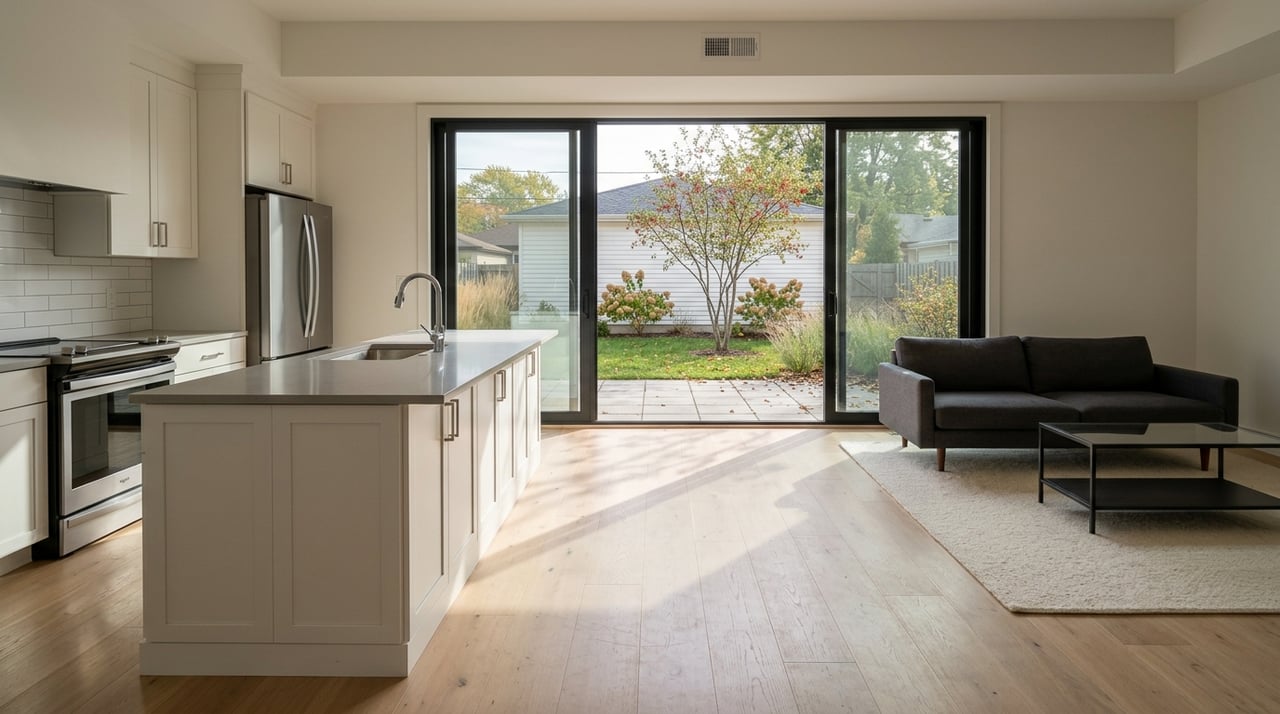
Why Milton Appeals To GTA Commuters And Young Households
July 23, 2026
July 23, 2026
If you want more space without cutting yourself off from the Greater Toronto Area, Milton is probably on your radar for a reason. Many buyers and move-up households are trying to balance daily commute needs with the kind of home and routine that feels sustainable long term. This is where Milton stands out, and this guide will help you understand the appeal, the tradeoffs, and what to consider before you make a move. Let’s dive in.
Milton works well for buyers who want to stay connected to the broader GTA while living in a town with a more spacious housing pattern. For many households, the appeal starts with the fact that commuting here is built around both transit and major highways. That gives you more than one way to structure your workweek.
The Milton Line offers weekday rush-hour service between Milton and Toronto. Milton GO Station, located at 780 Main St. E, also includes free customer parking, bike racks, and local Milton Transit connections. If your schedule lines up with peak travel times, that setup can make Milton a practical commuter base.
For drivers, the local transportation network is closely tied to Highway 401 and Highway 407. That matters because many buyers are not commuting to just one downtown office every day. Some need flexible access across the region, and Milton’s connection to the highway system supports that kind of routine.
For commuters heading toward Toronto during standard business hours, the Milton Line is a major part of the town’s appeal. It gives you a direct regional transit option without needing to start your trip farther east. For many buyers, that creates a clearer path to living farther out without feeling disconnected.
The station itself also adds convenience. Free parking and bike racks can make it easier to choose the option that fits your day, especially if your household is juggling different schedules. Local transit connections at the station help extend that usefulness beyond drivers alone.
Not every commuter has a simple Monday-to-Friday schedule. Some households split office days, travel to different job sites, or need to coordinate daycare, errands, and return trips across multiple municipalities. In those cases, highway access becomes just as important as rail service.
Milton’s transportation planning reflects that reality. With Highway 401 running through town and Highway 407 included in the network, the community is connected to the larger regional system many GTA households depend on every day.
Milton is not just a commuter town. It also has demographic and housing patterns that tend to line up with what many young households are looking for. In 2021 Census data, Milton had a population of 132,979, an average age of 35.2, a median age of 36.0, and an average household size of 3.3.
Those numbers point to a relatively young community. The same Census data show that 24% of residents were between ages 0 and 14. For buyers comparing GTA locations, that can signal a town where household growth, family routines, and longer-term housing decisions are already a visible part of everyday life.
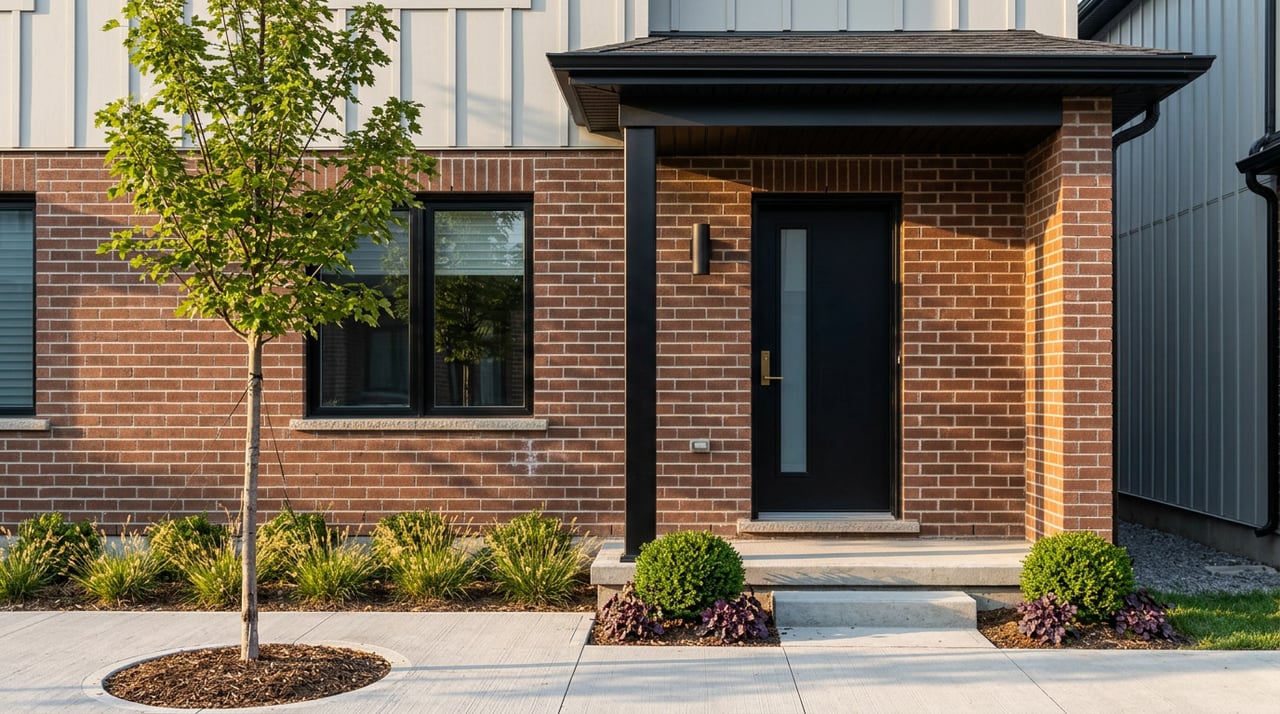
Milton’s housing stock is another reason it appeals to move-up buyers and younger households planning ahead. Statistics Canada reports that 56.7% of occupied dwellings are single-detached houses. The town also includes 9,140 row houses and 3,755 semi-detached homes.
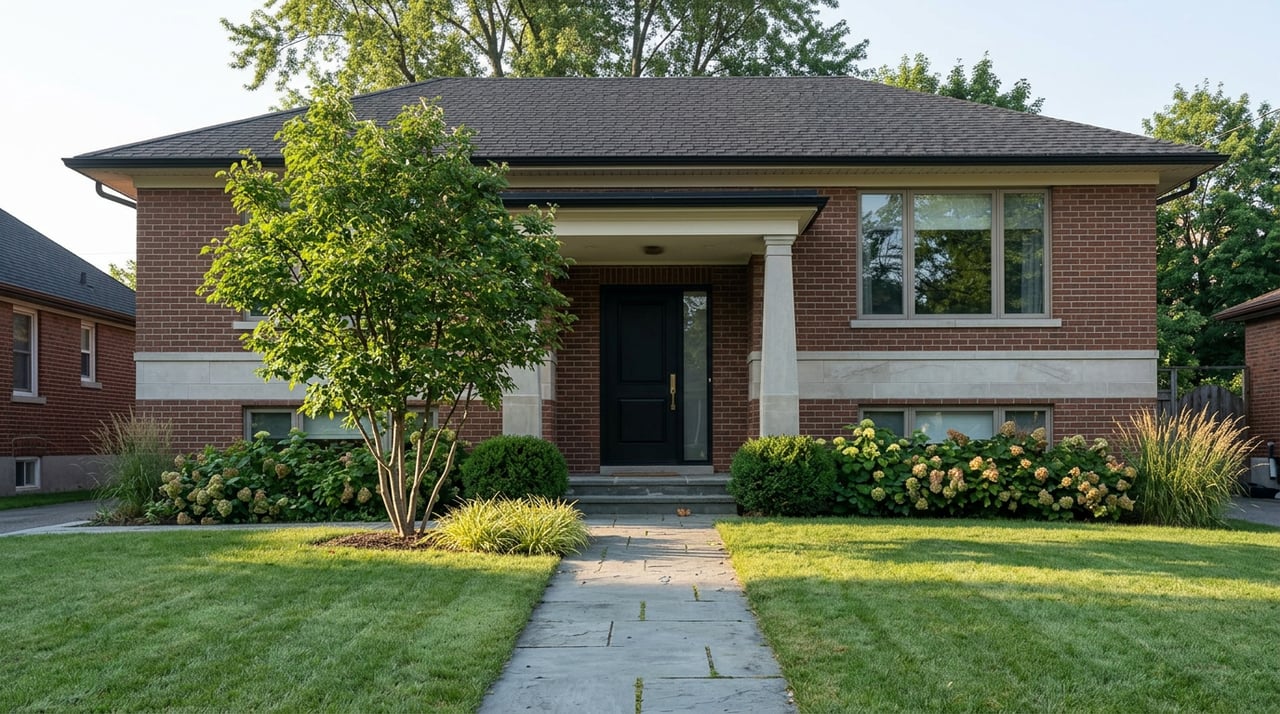
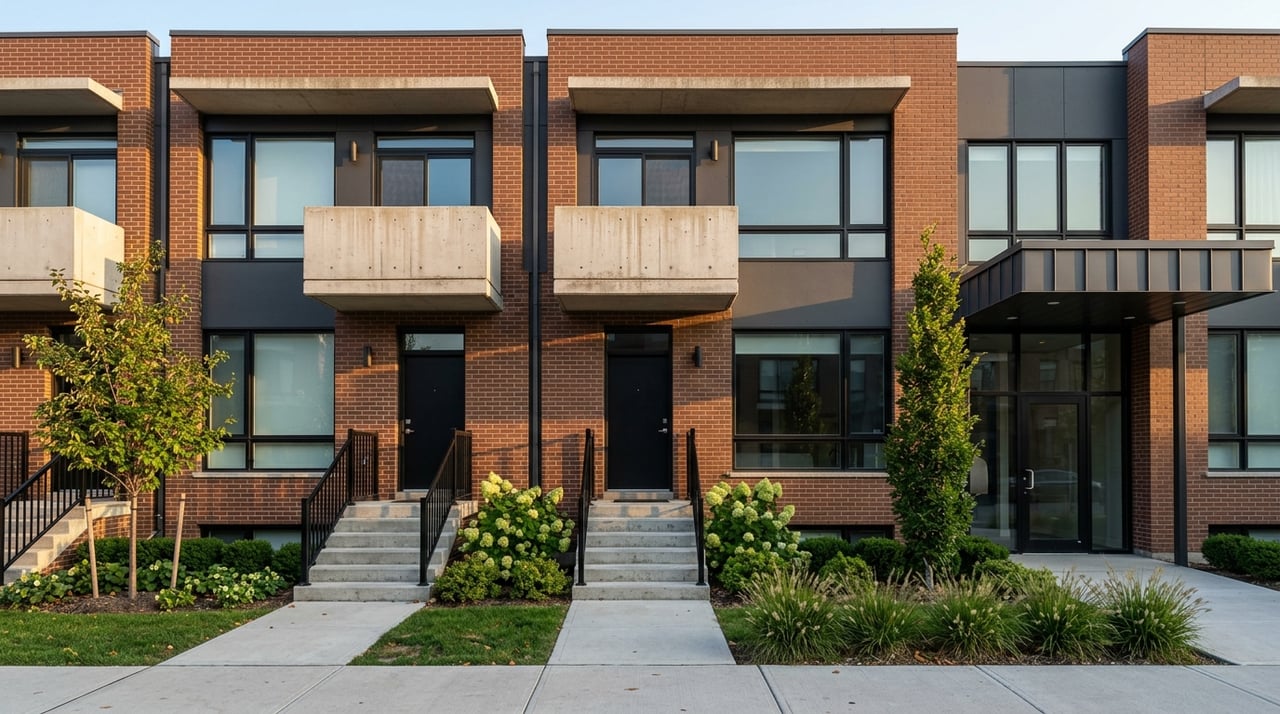
That mix matters if you are trying to find more room without leaving the GTA commuting orbit. Whether you are looking at a detached home, a semi, or a townhome, Milton offers a lower-density housing pattern than many more central urban areas. For buyers who value interior space, storage, or a different day-to-day pace, that can be a strong draw.
Milton also offers a broad layer of youth-focused programming through the town. Available options include camps and school programs, after-school club, school-break camps, summer camps, youth cycling programs, and Milton Youth Space. The town also provides sports programming for children and youth.
That does not mean every household will use every program, but it does mean there is established infrastructure for busy family schedules. If you are thinking beyond the home itself and looking at how daily life might function, that kind of programming can be meaningful.
A town’s appeal is not just about the commute or the floor plan. It is also about what your week actually looks like once you live there. Milton offers a wide range of public amenities that can support recreation, routines, and community use throughout the year.
The town’s parks and facilities include trails, playgrounds, sports fields, community centres, dog parks, neighbourhood outdoor ice rinks, and rental or event spaces. Recreation categories include cycling, aquafit, arts, fitness, hockey and skating, swimming, walking and running tracks, and drop-in sports.
For many households, convenience matters as much as variety. Milton offers drop-in activities such as badminton, basketball, disc golf, floor hockey, pickleball, table tennis, and volleyball. Registered sports programming is also available for children and teens.
The town also partners with Milton Public Library to lend family outdoor games and equipment, including snowshoes, hiking poles, and pickleball sets. That may sound like a small detail, but it supports the kind of practical, active lifestyle many buyers want close to home.
Milton’s appeal is not limited to sports and outdoor spaces. The town also has a developed cultural offering through FirstOntario Arts Centre Milton, which includes arts programs for different ages and skill levels, gallery space, shows, and events. The town also maintains a public art map and connects residents with local arts groups and community events.
For buyers who want more than a place to sleep between commutes, this can add balance. It gives the town a broader community feel and helps support different interests within the same household.
Local transit in Milton is useful, but it works best when you understand how the system is set up. Milton Transit runs on weekdays from 5:18 a.m. to 11:48 p.m., on Saturdays from 7:00 a.m. to 7:53 p.m., and on Sundays from 7:30 a.m. to 7:53 p.m. There is no service on statutory holidays.
All routes start and end at Milton GO Station, which reinforces the town’s commuter-focused layout. Milton Transit also operates an OnDemand shared-ride service booked by app or web. That service connects to fixed-route transit at key transfer points in the 401 Industrial, Boyne, and Derry Green zones.
For some buyers, this setup is a good fit. If at least one regular commute aligns with the GO and local transit network, Milton can function well. It can also work for households comfortable with combining driving, parking, transit, and occasional ride coordination.
Still, it helps to go in with realistic expectations. The system is not built around all-day two-way rail flexibility, and OnDemand service depends on booking windows and transfers. Before buying, it is smart to test how your own work hours and household schedule would line up.
Milton is best understood as a space-and-commute market, not a low-cost shortcut. Buyers are often attracted by the possibility of a more spacious home and a lower-density setting while staying connected to the GTA. That value can be real, but it does not mean the carrying costs are light.
Statistics Canada lists median monthly shelter costs for owned dwellings in Milton at $2,320, compared with $1,440 for Ontario overall. That gap is important. It suggests that even if Milton feels like a practical step toward more room, you should still prepare for a meaningful housing commitment.
When you evaluate Milton, look beyond the purchase price alone. Consider your transportation mix, your likely commute pattern, and how much flexibility your household really needs during the week. A home can look like a great fit on paper but feel different once daily travel is part of the equation.
This is where a clear buying strategy matters. If you compare home type, commuting options, and carrying costs together, you are more likely to make a decision that supports both your short-term needs and your long-term plans.
Milton can be a strong fit if you want more living space, expect to stay within the GTA, and can structure at least one regular commute around the GO or the 401 corridor. It may also appeal if you value access to parks, recreation, and youth programming as part of your home search.
It may be less ideal if you need highly flexible rail service throughout the day or want a market defined mainly by lower ownership costs. Like any move, the right answer depends on how your budget, schedule, and future plans fit together.
If you are weighing Milton against other GTA options, the goal is not just to buy more house. It is to choose a location that supports how you actually live, commute, and plan for the future. If you want help comparing Milton with nearby markets and building a smart buying plan, connect with Team Durrani.
Stay up to date on the latest real estate trends.
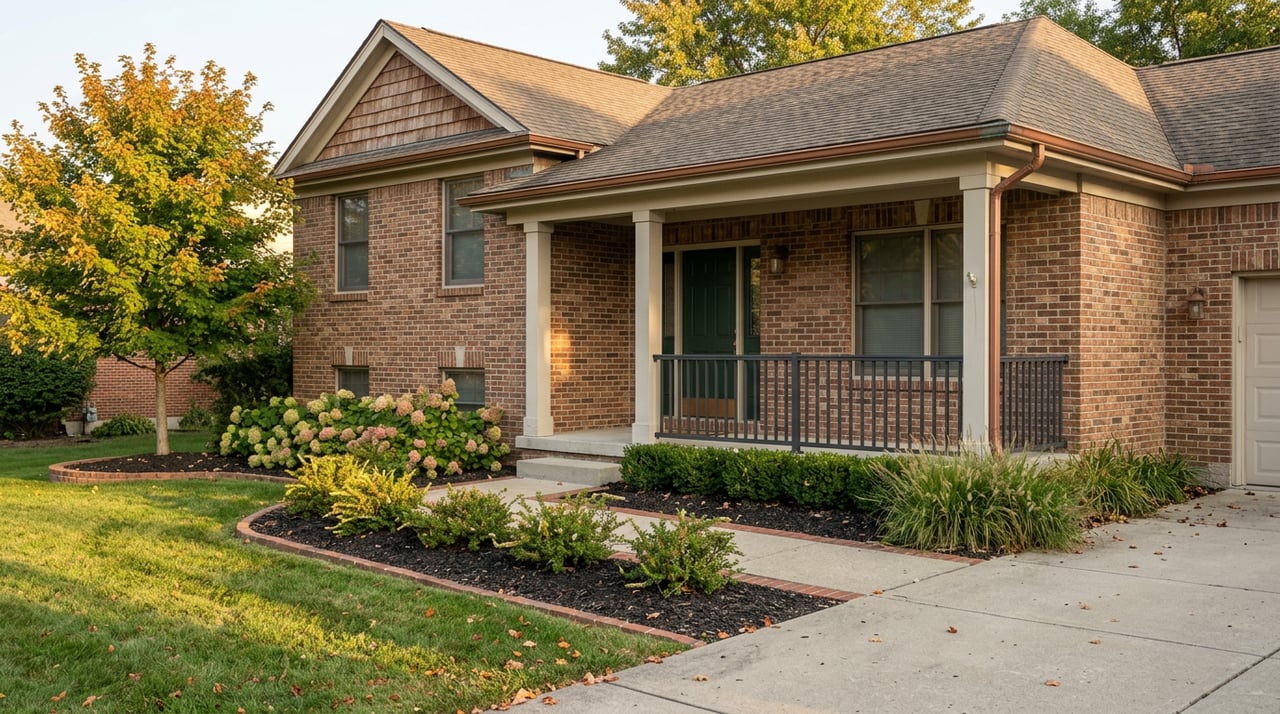
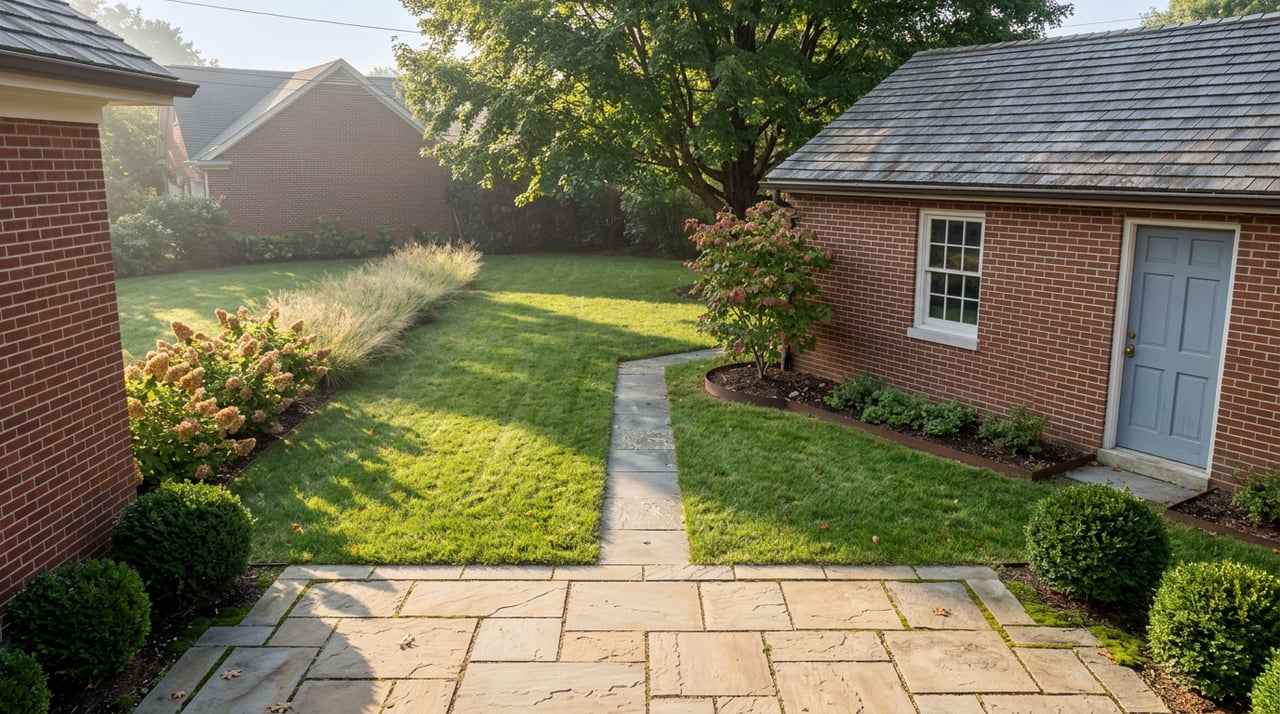
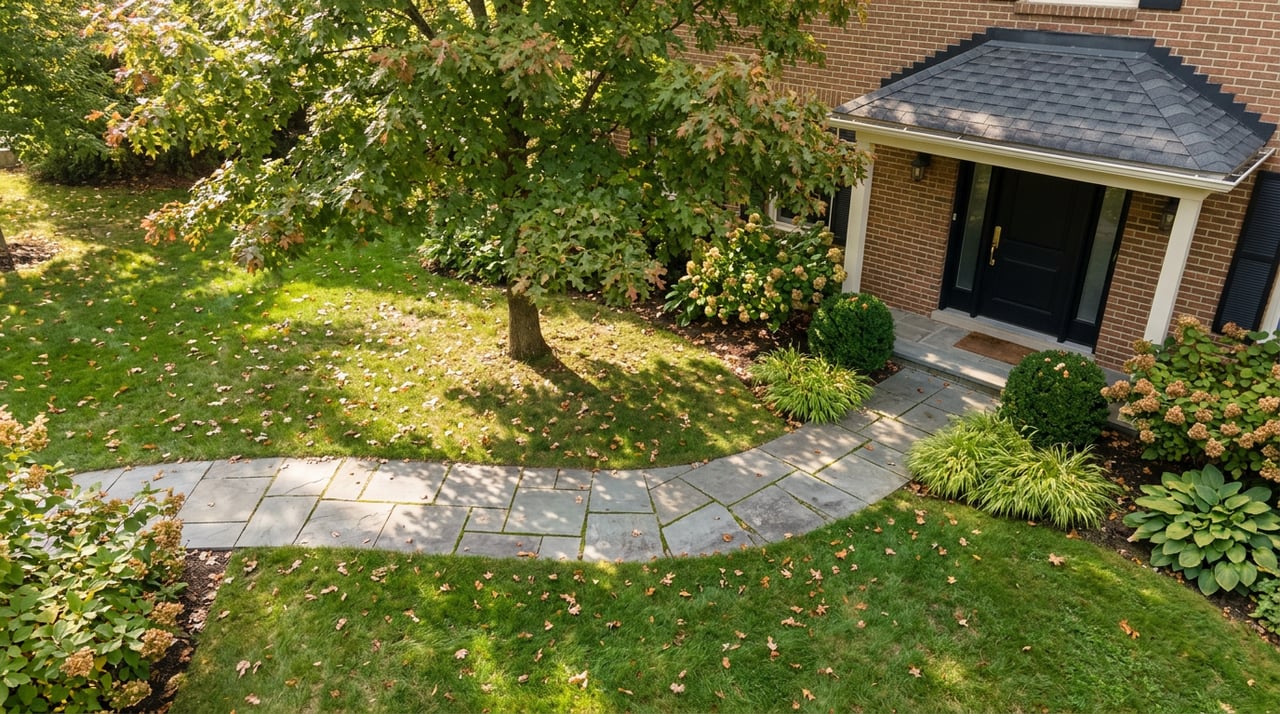
Whether you're buying, selling, or investing, Team Durrani is ready to provide the expertise and dedication you deserve. Contact us today to begin a professional, transparent, and results-driven real estate journey.
Team Durrani
Address
17-1075 North Service Rd. W
Oakville, Ontario, L6M 2G2