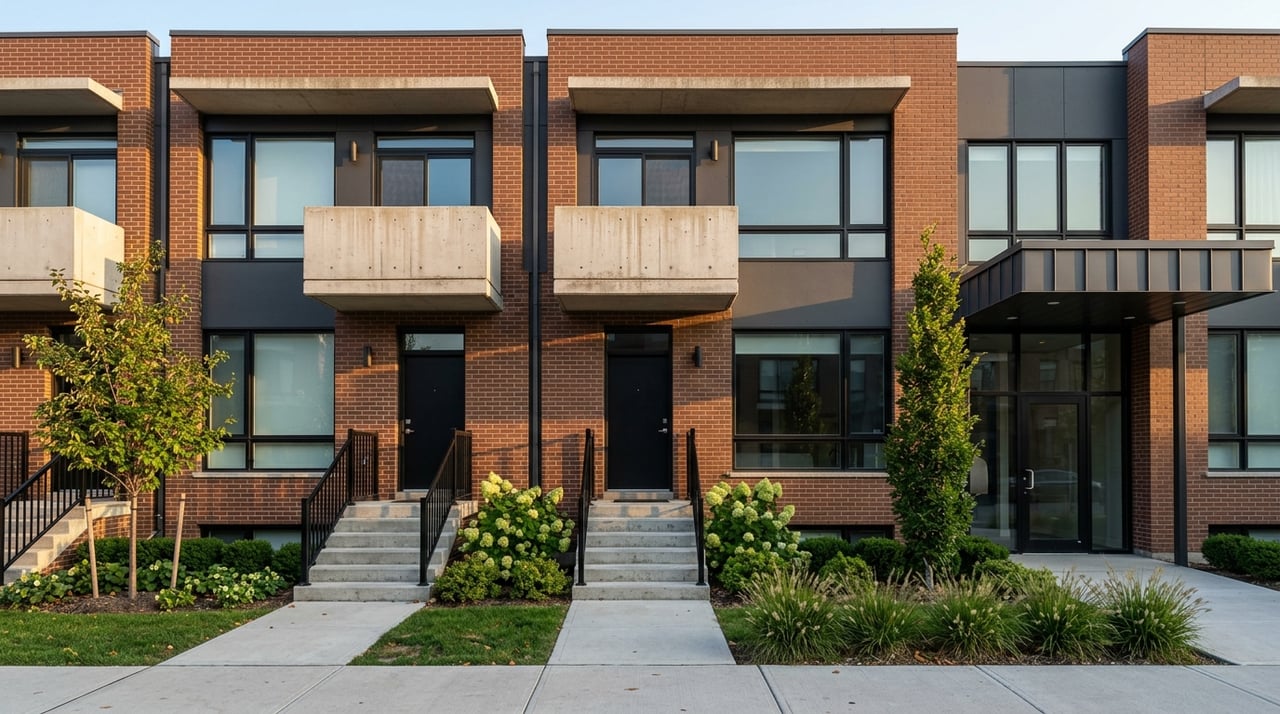
Oakville First Time Buyer Condos or Townhomes
July 16, 2026
July 16, 2026
Buying your first home in Oakville can feel like a tug-of-war between price, space, and monthly costs. You may love the lower entry point of a condo but want the extra room a townhome can offer. The good news is that Oakville gives you real options, and if you understand how each ownership type works, you can make a smarter first purchase. Let’s dive in.
Oakville is not just growing outward. The Town’s planning framework and housing policy updates focus on increasing supply, improving affordability and choice, and supporting complete communities through growth areas tied to transit and mixed-use development.
For you as a first-time buyer, that matters because it means the conversation is not limited to detached homes. In Oakville, you can compare condo apartments, condo townhomes, and freehold townhomes in a market that is evolving around different lifestyle and budget needs.
One recent Oakville market snapshot showed about 375 condos and 200 townhouses available. The same snapshot showed median sold prices of about $569,950 for condos and $1,042,500 for townhouses.
That price gap is often the first thing buyers notice. A condo may offer a more accessible starting point, while a townhome may offer more square footage and privacy, but at a significantly higher purchase price.
At the broader GTA level, condo buyers also had meaningful choice in early 2026. TRREB reporting showed the average condominium apartment price fell 9.1% year over year to $618,484, which supports the idea that condo buyers may have more room to compare options carefully.
This is one of the biggest first-time buyer traps. In Oakville, a townhome is not always the same type of ownership.
Some townhomes are freehold, which means you typically own the building and the land. Others are condominium townhomes, which means part of the property may be owned and maintained through a condominium corporation.
That difference changes your monthly budget, your repair responsibilities, and how you compare one listing to another. If you are choosing between a condo apartment and a townhome, make sure you ask whether the townhome is freehold or condo before you decide which one is the better fit.
In Ontario, condo ownership is a shared-ownership structure. Condo fees, also called common expenses or maintenance fees, help fund common elements and the reserve fund, and they may also cover cleaning, building maintenance, management services, insurance, utilities, and snow removal.
For a first-time buyer, this can be helpful because some ongoing property upkeep is built into your monthly costs. Instead of handling every exterior issue on your own, part of that responsibility may be shared across the building or community.
But condo ownership is not just about convenience. You also need to understand what the fees cover, how the reserve fund is managed, and what rules or restrictions apply under the condominium corporation’s governing documents.
A freehold townhome usually gives you more direct control over the property. It also usually means you are responsible for the whole property, including the roof, exterior walls, lawn, garden, driveway, and garage.
That can appeal to buyers who want more independence and more usable space. But it also means your monthly carrying costs may be less predictable because repairs and maintenance do not get shared the same way they often do in a condo structure.
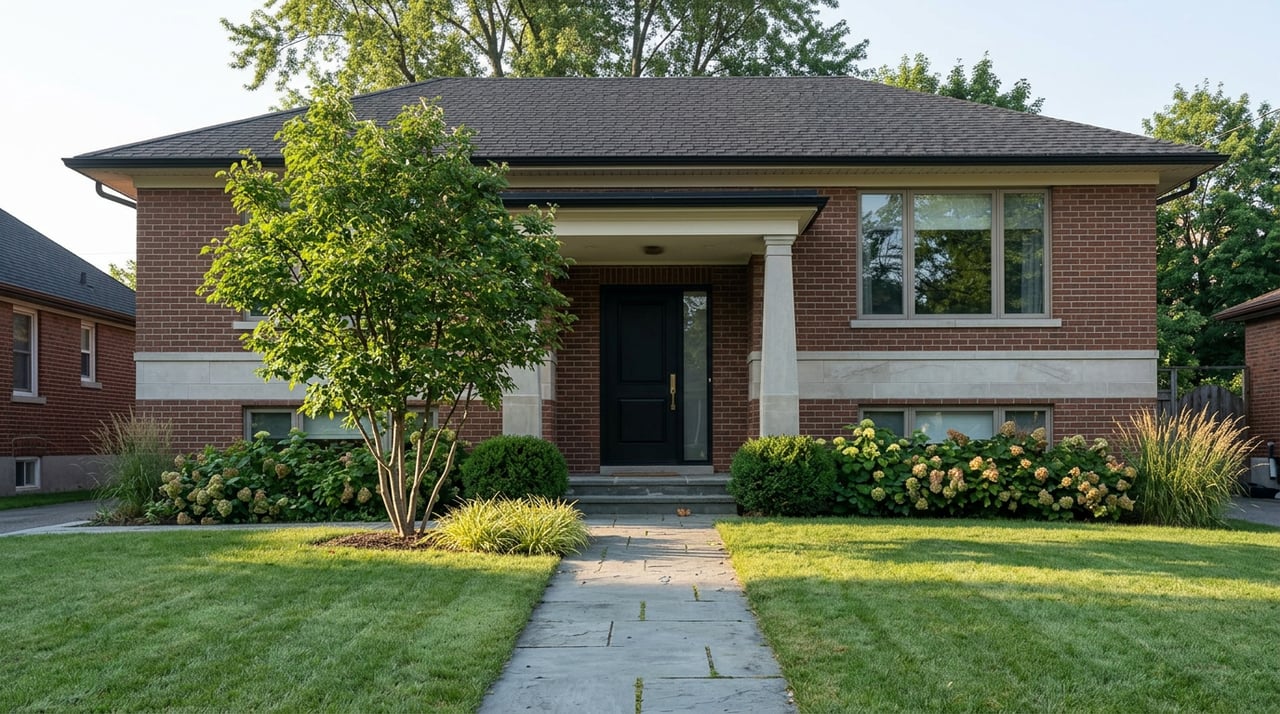
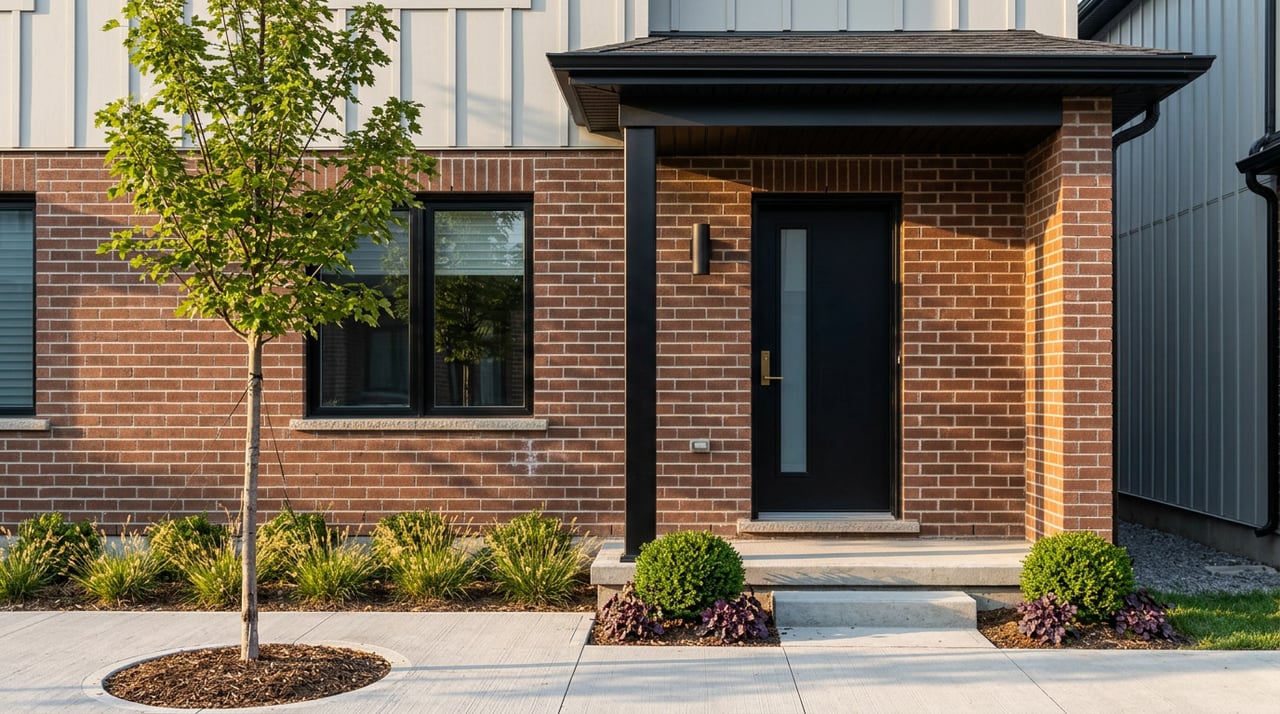
Condo townhomes sit somewhere in the middle. You may get the multi-level layout and extra space of a townhome, while some exterior and shared-area responsibilities remain with the condo corporation.
If you assume every condo is small and every townhome is spacious, Oakville’s current housing mix tells a more nuanced story. Recent listing examples show condo apartments ranging from 500 to 599 square feet for compact 1+1 units, up to 1,400 to 1,599 square feet for larger three-bedroom-plus-den condos.
Townhome examples in North Oakville have recently ranged from roughly 1,500 to 2,500 square feet, with some variation based on age, location, and product type. That means your choice is not only about property category. It is also about the actual layout, storage, outdoor space, and how long you want the home to work for you.
Your budget should never stop at the purchase price. A lower-priced condo may still come with monthly condo fees, while a freehold townhome may have no condo fees but higher direct maintenance exposure over time.
A smart comparison looks at the full monthly picture, including:
This is where first-time buyers often gain clarity. The better value is not always the lower sticker price. It is the home that fits your cash flow, comfort level, and ownership goals.
If you are buying a resale condo in Oakville, one of the most important documents is the status certificate. It summarizes the condominium corporation’s budget, reserve fund, and any legal issues.
In Ontario, anyone can request a status certificate for a fee of up to $100, and the corporation must provide it within 10 days. For a first-time buyer, this document can help you spot whether fees appear sustainable and whether there may be financial concerns worth reviewing more closely.
It is also important to understand unit boundaries and repair obligations. In a condo, the corporation is generally responsible for common elements, while owners typically handle normal wear and tear inside their units and any decorative or non-standard elements defined by the governing documents.
For many first-time buyers, location is really about daily function. If you commute, travel often, or want flexibility in the future, Oakville’s transit-connected areas deserve extra attention.
Oakville GO Station is undergoing renovation work, and the station could eventually see trains as frequently as every 15 minutes or better during the busiest travel hours. Metrolinx also announced that 15-minute weekend service between Oakville GO and Union Station returned starting May 2, 2026.
GO Transit lists local connections at Oakville GO, including Oakville Transit and VIA Rail, along with bike racks and free customer parking. The Town also states that Oakville Transit provides low-floor, fully accessible bus service throughout the town.
Oakville’s planning documents identify Midtown Oakville, around Oakville GO Station, as a long-term transit-supportive growth area. The Town also identifies Uptown Core as one of the primary growth areas for future population and employment growth.
For you, that does not guarantee price performance. But it does suggest these areas may continue to attract attention because they are tied to infrastructure planning, mixed-use growth, and broader housing supply efforts.
If you are deciding between two similar homes, location near a planned growth node or transit connection may be a useful tiebreaker. It can support both day-to-day convenience and future resale appeal.
A lot of first-time buyers focus heavily on the down payment and underestimate the cash needed to close. CMHC says closing costs are typically 1.5% to 4% of the purchase price.
In Ontario, eligible first-time homebuyers may receive a land transfer tax refund of up to $4,000. That can help, but you should still build a realistic closing-cost plan early so you are not stretching at the finish line.
If you are stuck between a condo and a townhome, simplify the decision. Start with how you live now, how long you expect to stay, and how much maintenance responsibility you are comfortable taking on.
A condo may be the stronger fit if you want a lower entry price, simpler upkeep, and access to transit-focused locations. A townhome may make more sense if you need more space, want a multi-level layout, or plan to stay put longer and can manage higher carrying or maintenance costs.
The key is not choosing the “best” property type in general. It is choosing the one that supports your budget, lifestyle, and next few years with the least strain and the most confidence.
If you want help comparing Oakville condos, condo townhomes, and freehold townhomes side by side, Team Durrani can help you sort through the numbers, the documents, and the tradeoffs with a clear plan.
Stay up to date on the latest real estate trends.
Whether you're buying, selling, or investing, Team Durrani is ready to provide the expertise and dedication you deserve. Contact us today to begin a professional, transparent, and results-driven real estate journey.
Team Durrani
Address
17-1075 North Service Rd. W
Oakville, Ontario, L6M 2G2