Living in Etobicoke Toronto: Homes, Transit, and Daily Life
May 7, 2026
May 7, 2026
Wondering if Etobicoke feels more like downtown Toronto or more like a west-end suburb? The honest answer is that it sits somewhere in the middle, and that is exactly why so many buyers, renters, and movers keep it on their shortlist. If you are trying to understand the housing mix, commuting options, and what daily life actually looks like here, this guide will help you get clear on the big picture. Let’s dive in.
Etobicoke gives you a blend that can be hard to find in one part of the GTA. You get a more space-oriented housing mix than downtown Toronto, but you still stay connected to Toronto’s transit and civic network. For many people, that balance is the main draw.
The area is also large and varied, so one of the biggest mistakes you can make is assuming all of Etobicoke feels the same. Some pockets are more ground-oriented, some are more vertical, and some are changing quickly through transit-oriented growth and waterfront revitalization. That variety creates options for different budgets, routines, and long-term goals.
If you are asking whether Etobicoke is mostly houses or condos, the data says it is both. In Etobicoke York, 30.0% of occupied dwellings were single-detached houses in the 2021 census, while 42.4% were apartments in buildings with five or more storeys. That means detached-home streets and higher-rise living both have a meaningful presence here.
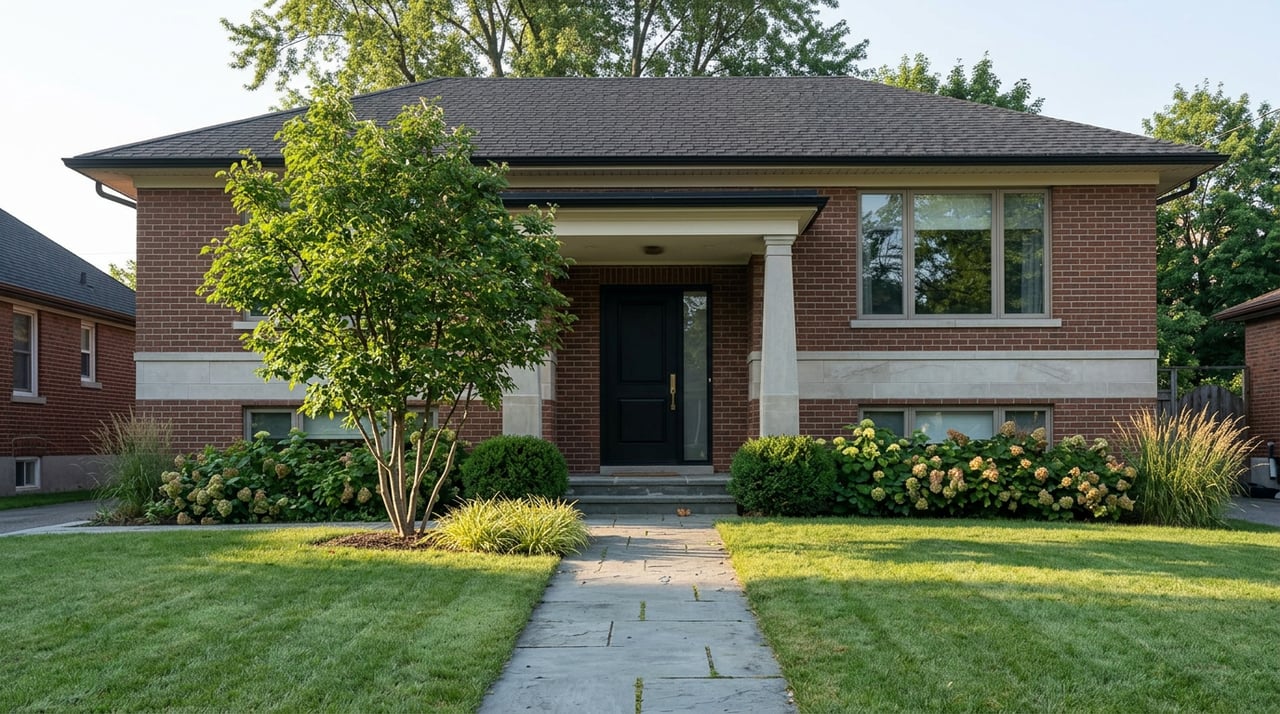
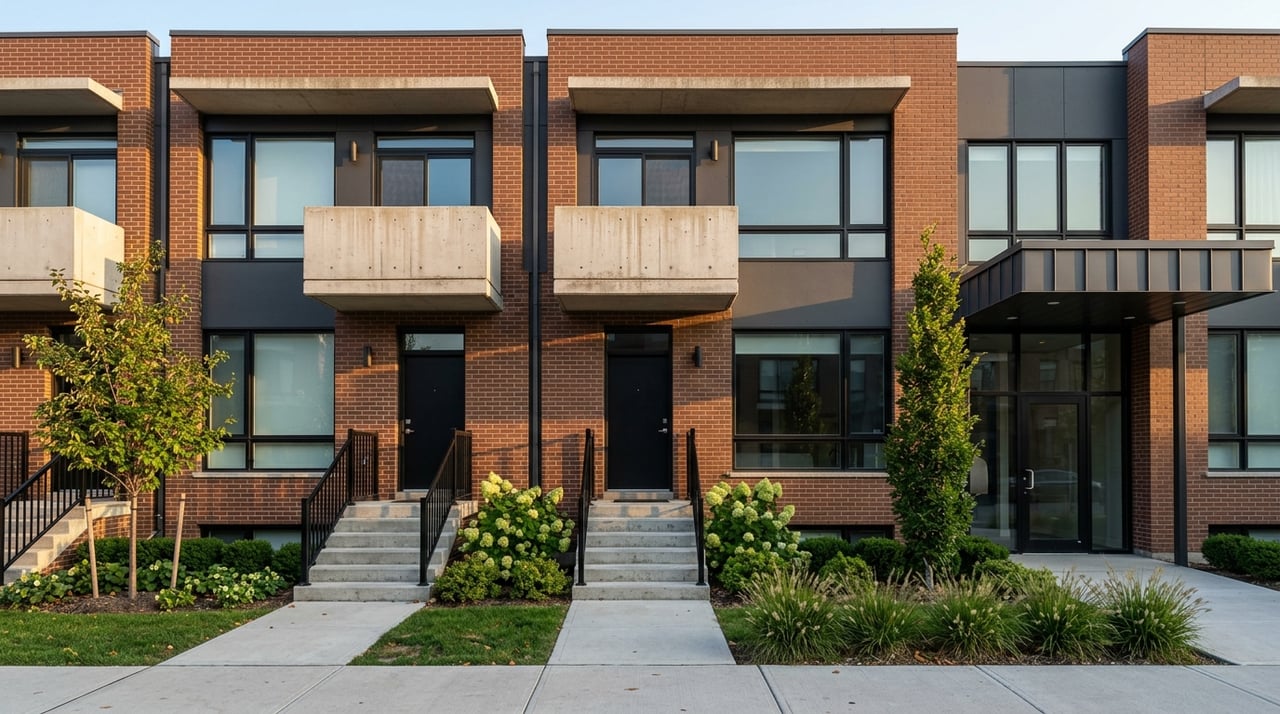
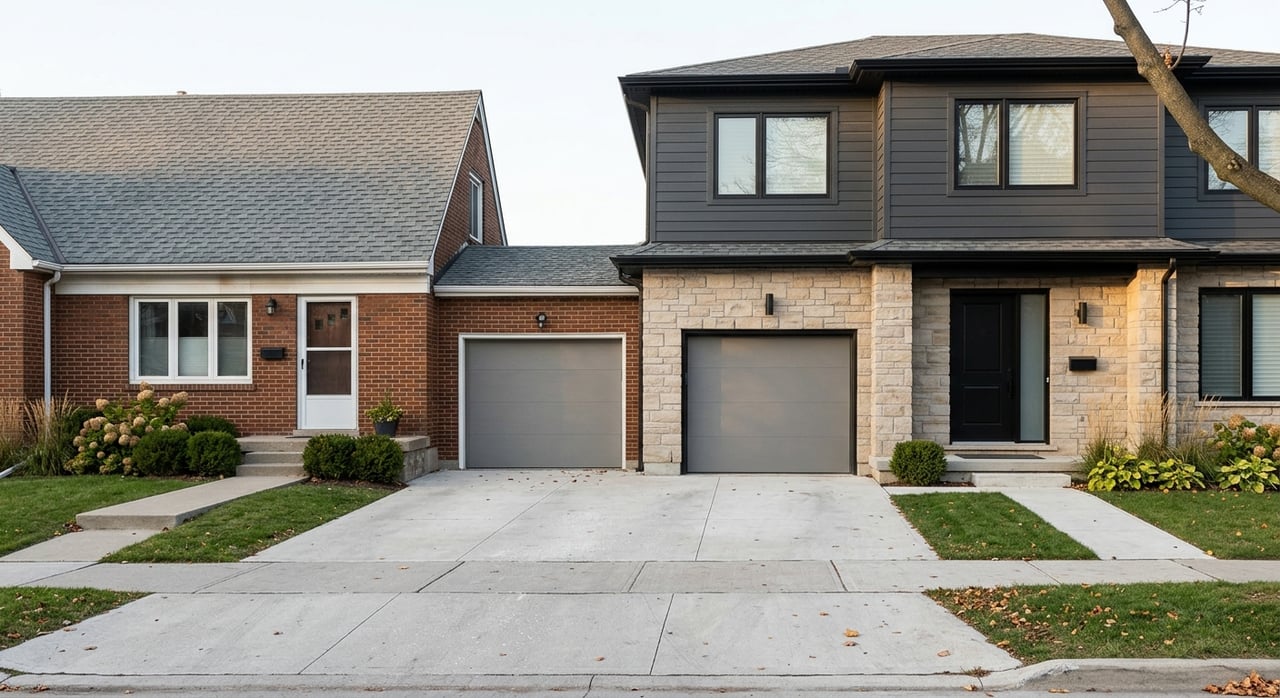
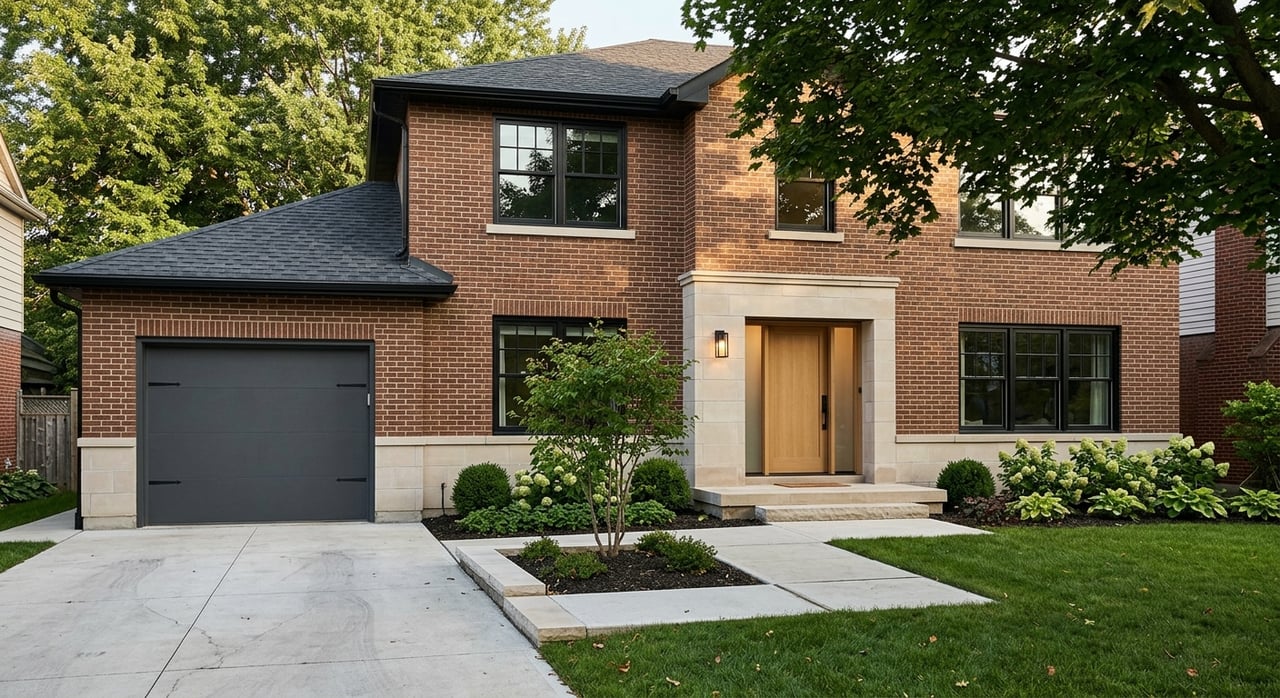
This mix matters because it gives you more than one path into the market. Depending on your budget and lifestyle, you may find yourself comparing a condo near a transit node, a townhome-style option in a more ground-oriented area, or a detached home on a quieter residential street. Etobicoke is not one-note, and that can work in your favor.
Etobicoke also supports a mix of owners and renters. In 2021, 55.4% of private dwellings in Etobicoke York were owned and 44.6% were rented. That creates a market where end users, tenants, and investors may all be looking at the same broad area for different reasons.
For buyers, that can mean a wider range of housing formats and building types. For people considering a lease first, it also means Etobicoke is not limited to one tenure pattern. You can often approach the area as a place to settle now or as a stepping stone toward a future purchase.
Etobicoke has been changing over time, especially in its apartment stock. The share of apartments in buildings with five or more storeys rose to 42.4% in 2021, up 7.9% from 2016. At the same time, single-detached homes remained the largest individual housing type at 30.0%.
That tells you Etobicoke is adding density without losing its more ground-oriented identity. If you are thinking long term, this kind of shift can matter because it often affects future convenience, local services, and the kinds of homes available in key growth areas.
Etobicoke Centre is one of four city centres identified in Toronto’s Official Plan to accommodate projected growth. That is a big reason why this part of Etobicoke continues to attract attention from buyers who want transit access and a more mixed-use environment. It is not just about new buildings. It is about how the area functions day to day.
A major part of that story is the new Etobicoke Civic Centre at 3755 Bloor Street West. The project is planned as a mixed-use community hub with municipal offices, a council chamber, childcare, a library, a health clinic, a recreation centre, retail, a civic square, a new affordable housing community, and parkland. For residents, that points to a more complete urban node rather than a single-purpose district.
The surrounding Six Points and Bloor-Kipling block plan unlocked about 18 acres for redevelopment. That reinforces the area’s shift toward transit-oriented mixed use. If you are the kind of buyer who values proximity to services, public spaces, and multiple transportation options, this is one of the clearest examples of where Etobicoke is evolving.
In practical terms, this can change how you use the neighborhood. More mixed-use planning often supports a more walkable pattern for errands, appointments, and everyday routines. That does not make every street the same, but it does shape where change is most visible.
South Etobicoke is changing in a different way. The Mimico-by-the-Lake Secondary Plan focuses on Lake Shore Boulevard West between Miles Road and Louisa Street, where the City describes a mainstreet commercial strip and two significant clusters of rental apartment housing. The long-term plan includes a new street-and-block pattern, improved access to Lake Ontario, expanded public realm and open space, and a future Village Heart on Lake Shore Boulevard West.
For you, that means south Etobicoke is not just a waterfront address. It is an area where public space, access, and local main-street character are part of the long-range planning direction. That can be especially appealing if you want daily life to include both urban convenience and outdoor access.
Transit access in Etobicoke is strongest around a few major nodes rather than spread evenly across every street. On the TTC side, the key Line 2 west-end stations tied to Etobicoke are Kipling, Islington, Royal York, and Old Mill. These stations help connect many parts of the area to the rest of Toronto.
Kipling stands out as the most intermodal hub. It is accessible and includes parking, passenger pick-up and drop-off, a MiWay bus terminal connection, and a connection to Kipling GO Station. If your commute or routine crosses municipal boundaries, that kind of connectivity can make a real difference.
For south Etobicoke, the Lakeshore West GO corridor is a major part of the transportation picture. Metrolinx is upgrading Mimico and Long Branch GO stations, and the corridor is being prepared for trains every 15 minutes or better on the busiest segment. That supports stronger regional rail service for people who do not want every trip to depend on going through downtown first.
This is one reason south Etobicoke appeals to buyers and renters who think regionally. Your routine may include downtown Toronto, but it may also involve Mississauga or other west-end destinations. Better GO service supports that flexibility.
Etobicoke’s commuting story is not only about traditional office travel. In the 2021 census profile, 56.7% of employed residents worked at a usual place, 27.6% worked from home, and 15.3% had no fixed workplace address. That mix suggests people use the area in different ways depending on their work style and schedule.
If you work remotely part of the week, you may care just as much about parks, errands, and neighborhood convenience as you do about rush-hour speed. If you are on the move more often, station access and corridor planning may carry more weight. Etobicoke can support both, but the right pocket depends on your routine.
Etobicoke does not revolve around one single downtown. Instead, much of its commercial life is organized around main-street corridors and local business improvement areas. That can make daily life feel more spread out, but also more neighborhood-based.
The Kingsway BIA on Bloor Street West includes specialty shops, restaurants, pubs, cafes, and professional and medical services. Shop The Queensway features restaurants, cafes, retail, and personal services. The Village of Islington along Dundas West includes retail, health and wellness providers, restaurants, pubs, and personal services.
In south Etobicoke, Lakeshore Village, Mimico by the Lake, Mimico Village, and Long Branch cluster retail, food, health, and service uses along Lakeshore and Royal York. For you, this means many everyday needs are tied to practical commercial strips rather than one central district. That often creates a more local rhythm to day-to-day life.
Outdoor space is one of Etobicoke’s strongest lifestyle features. Centennial Park offers free parking, TTC bus access, three cycling connections, a 23-basket disc golf course, sports fields, arenas, a conservatory, picnic areas, and other facilities. It serves as a large, flexible green space for a wide range of activities.
Humber Bay Park is another standout. It spans more than 43 hectares and includes East and West peninsulas divided by Mimico Creek. The City’s master plan focuses on improved access, upgraded walkways and boardwalks, and wetland restoration, which speaks to the long-term value placed on the waterfront experience.
The Lake Shore Cycle Track closed a gap in the Waterfront Trail in Etobicoke between Norris Crescent and First Street. That matters for recreation, but also for people who use cycling as part of their everyday transportation. Improvements like this can make the waterfront feel more connected and practical, not just scenic.
If you picture your week including walks, bike rides, waterfront views, or easy access to larger parks, Etobicoke has a strong case to make. In many parts of the GTA, outdoor space is a bonus. Here, it is often part of the decision.
Etobicoke is generally more space-oriented than downtown Toronto. The housing mix includes a larger share of detached homes, and average household size is larger at 2.58 people in Etobicoke York. That does not mean every part feels suburban, but it does mean you are more likely to find a broader range of housing formats.
At the same time, Etobicoke stays tied into Toronto through TTC service, GO access, and major civic investment in places like Etobicoke Centre. So if you want Toronto access without a fully downtown housing pattern, this area often lands in the sweet spot.
Compared with Mississauga, Etobicoke remains inside Toronto city limits while still offering west-end access to MiWay and GO at Kipling. It also includes lakeside condo and rental pockets in areas like Mimico and Humber Bay. For some buyers, that combination is a practical middle ground between suburban scale and urban connectivity.
This does not make one better than the other. It just means your choice may come down to what you value most: a Toronto address, specific transit links, waterfront access, or a certain kind of housing stock. The right answer usually starts with your routine, budget, and long-term plan.
Etobicoke can work well for several types of movers because it offers more than one way to live.
That said, your best fit will depend on which part of Etobicoke you focus on. A home near Kipling offers a different experience from one near the waterfront or along a local commercial corridor. This is where a clear search strategy matters.
If you are weighing Etobicoke against other GTA options, the smartest next step is to narrow the conversation to your budget, commute, and housing priorities. The right move is usually less about the broad label of a neighborhood and more about how a specific pocket fits your real life. When you want practical guidance on buying, selling, or leasing in the GTA, Team Durrani can help you build a plan with clarity and confidence.
Stay up to date on the latest real estate trends.





Whether you're buying, selling, or investing, Team Durrani is ready to provide the expertise and dedication you deserve. Contact us today to begin a professional, transparent, and results-driven real estate journey.
Team Durrani
Address
17-1075 North Service Rd. W
Oakville, Ontario, L6M 2G2