First-Time Buyers In Etobicoke: Neighbourhood And Housing Options
May 14, 2026
May 14, 2026
Buying your first home in Etobicoke can feel like you need to solve three puzzles at once: where to live, what type of home to buy, and how to make the monthly numbers work. If you are trying to balance commute time, lifestyle, and budget, you are not alone. The good news is that Etobicoke offers a wide range of entry points, from waterfront condos to transit-connected townhomes and established low-rise streets. This guide will help you compare your options with more confidence. Let’s dive in.
Etobicoke gives you more than one path into homeownership. City planning documents describe it as a mix of waterfront condo corridors, transit-oriented mixed-use areas, and established low-rise neighbourhoods. That matters because your first home in Etobicoke does not have to look the same as someone else’s.
In practical terms, you can compare condo-heavy areas like Humber Bay Shores and Mimico, transit-focused areas around Kipling and Islington, and lower-rise streets in places like Long Branch and New Toronto. Each option comes with a different balance of price point, space, upkeep, and commuting convenience. For many first-time buyers, that variety is what makes Etobicoke worth a serious look.
If you want an amenity-rich lifestyle, waterfront condo areas are often the first places you will explore. Humber Bay Shores, Mimico, and the Park Lawn-Lake Shore corridor are well-known condo entry points for buyers who want newer buildings, mid-rise or tower living, and access to the western waterfront.
These areas can be attractive if you want less day-to-day exterior maintenance and a more car-light lifestyle. At the same time, you will want to look closely at condo fees, parking costs, and the rules of each building. Two condos in the same area can feel very different once you compare monthly carrying costs and what is actually included.
Because the City identifies parts of the western waterfront as growth areas, you should also expect to compare a wide range of buildings and project types. That can be helpful if you want options, but it also means building-by-building research matters. Layout, age, reserve fund health, and everyday livability can matter just as much as the postal code.
If your commute is a major priority, look closely at areas around Kipling, Islington, Royal York, Old Mill, and Etobicoke Centre. These locations give first-time buyers the chance to compare condos, townhomes, and mixed-use buildings near major transit connections.
Kipling Station is especially important because it connects with the TTC, MiWay, and GO, and it also has station parking. Mimico GO and Long Branch GO connect to TTC service and also offer parking. If you commute to downtown Toronto, Mississauga, or other parts of the west GTA, these connections can make a real difference in your daily routine.
The City describes Etobicoke Centre as a growing mixed-use, transit-oriented community and one of Toronto’s city centres. For a first-time buyer, that can mean a practical mix of housing choices and access to everyday services. If convenience is high on your list, these areas deserve a close look.
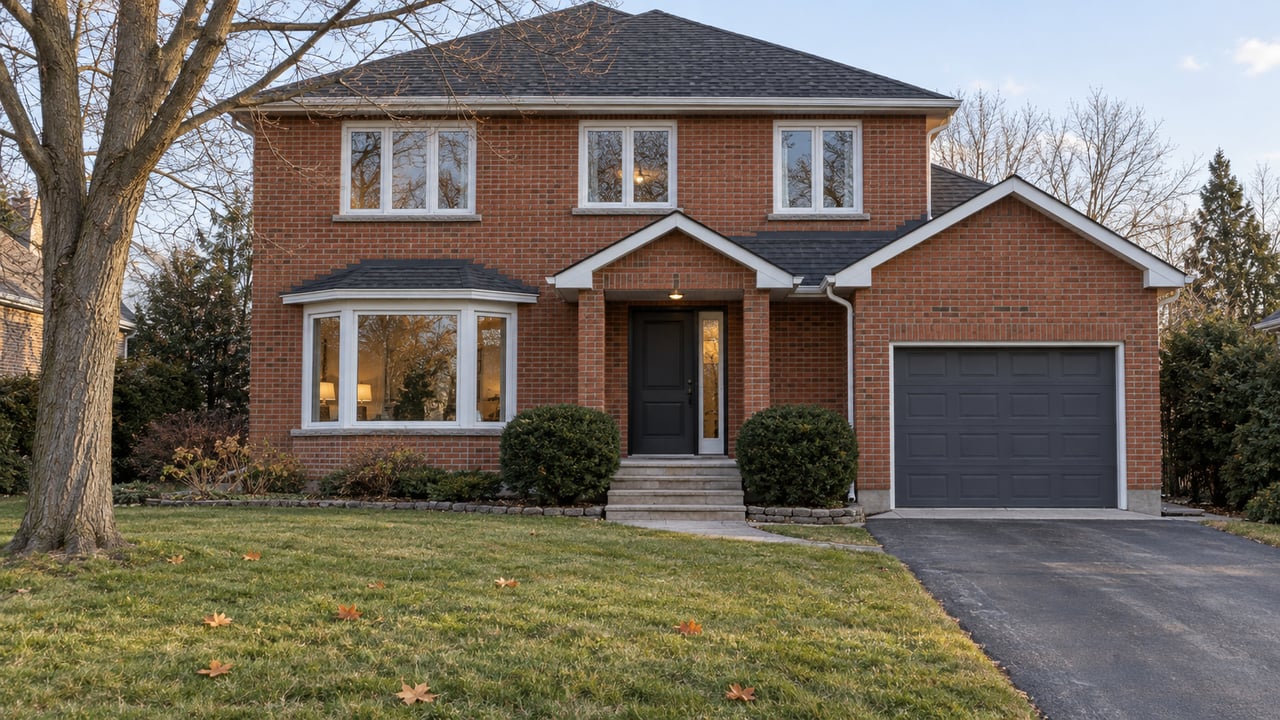
If you picture your first home as something with a front door, a bit more privacy, or extra flexibility, established low-rise streets may be a better fit. Areas like Long Branch, New Toronto, and older parts of Mimico often include detached homes, semis, duplexes, triplexes, townhouses, and walk-up apartments.
Toronto’s Official Plan identifies low-scale residential areas as places that can include these housing forms. The City has also noted that multiplexes are now being permitted across Toronto’s low-rise neighbourhoods, which expands the range of smaller-home options in established areas. That can give first-time buyers more ways to enter the market without limiting the search to high-rise condos.
These neighbourhoods can appeal to buyers who want more interior space or a different kind of long-term setup. The trade-off is that upkeep and repair responsibilities are often more direct when you own a freehold home or another low-rise property. That is why your budget should account for more than the purchase price.
In Etobicoke, your daily commute may matter more than the neighbourhood name alone. Line 2 stations at Kipling, Islington, Royal York, and Old Mill form a key subway spine in the west end, while Kipling, Mimico GO, and Long Branch GO add more regional options.
When you compare homes, think beyond a simple map search. Look at walk time to transit, how many transfers you may need, and whether you can realistically live car-free or with one vehicle. A home that looks slightly farther out on paper may be the better fit if the transit connection is simpler.
A lower purchase price does not always mean a lower monthly cost. For first-time buyers in Etobicoke, the best budget test is usually monthly cash flow. That includes your mortgage payment, property tax, utilities, insurance, parking costs, condo fees if applicable, and a maintenance allowance.
A condo may reduce the amount of maintenance you handle yourself, but it adds common expenses. A house or townhome may avoid condo fees, but it can shift repair costs directly to you. The right fit depends on your savings, your comfort level with upkeep, and how much room you want in your monthly budget.
Parking can be a bigger factor than many first-time buyers expect. In transit-oriented condo areas, it may be possible to own less car or delay a second vehicle, but you still need to confirm whether parking is included, owned separately, leased, or not available at all.
You should also think about how the home supports daily life. Ask whether the layout works for storage, guests, work-from-home needs, and winter gear. A home that fits your routine now and still works two or three years from now can save you from making a rushed move later.
If you are considering a resale condo in Etobicoke, one document deserves special attention: the status certificate. In Ontario, this document can show important information about the condo corporation, including the reserve fund, budget, bylaws, insurance, special assessments, and any litigation. Condo corporations must provide it within 10 days for up to $100.
This matters because condo ownership is different from owning a freehold home. You are buying your unit along with a share of the common elements, and you contribute to common expenses for maintenance and operations. That is why reviewing the status certificate is such an important part of understanding your risk and your future monthly costs.
Reserve funds also matter. The Condo Authority of Ontario and CMHC both note that reserve funds and reserve fund studies help pay for major repairs and replacements over time. For a first-time buyer, this is one of the clearest examples of why the cheapest-looking option is not always the strongest long-term fit.
Before you start touring homes seriously, it helps to understand your financing range. Mortgage pre-approval can help estimate the maximum mortgage amount and interest rate you may qualify for, although it is not a guarantee of final approval.
That estimate can help you shop with more clarity, but do not stop at the top number. Focus on what feels sustainable month to month. A comfortable payment often gives you more flexibility and less stress after closing.
If your down payment is under 20%, mortgage loan insurance is typically required. That is an important factor to discuss early so you have a realistic view of your buying power and your full monthly cost.
If you are buying your first home in Toronto, you may be eligible for both the Ontario land transfer tax refund and the City of Toronto municipal land transfer tax rebate. Those are currently up to $4,000 and $4,475 respectively, subject to program rules.
There are also federal tools that can support your savings strategy. Eligible first-time buyers may be able to claim up to $10,000 under the home buyers’ amount, use the Home Buyers’ Plan to withdraw up to $60,000 from an RRSP tax-free and repay it over 15 years, and contribute through an FHSA with an $8,000 first-year participation room and a $40,000 lifetime limit.
For many first-time buyers, these programs can improve cash flow at a stage when every dollar matters. The key is to build your strategy early so you know how these tools may fit into your down payment and closing cost plan.
If you are feeling stuck between neighbourhoods or property types, simplify the process. Start with your monthly comfort zone, then narrow your search by commute needs, then compare home types that fit both. That approach usually creates more clarity than starting with listing photos alone.
A useful checklist might look like this:
Your first purchase does not have to be perfect. It needs to be practical, sustainable, and aligned with your next stage of life. In a market like Etobicoke, that often means choosing the home that supports your daily routine and future flexibility, not just the one that looks best online.
If you want help comparing Etobicoke neighbourhoods, weighing condo versus freehold options, or building a plan around your numbers, Team Durrani is here to guide you with a clear, step-by-step approach.
Stay up to date on the latest real estate trends.



Whether you're buying, selling, or investing, Team Durrani is ready to provide the expertise and dedication you deserve. Contact us today to begin a professional, transparent, and results-driven real estate journey.
Team Durrani
Address
17-1075 North Service Rd. W
Oakville, Ontario, L6M 2G2