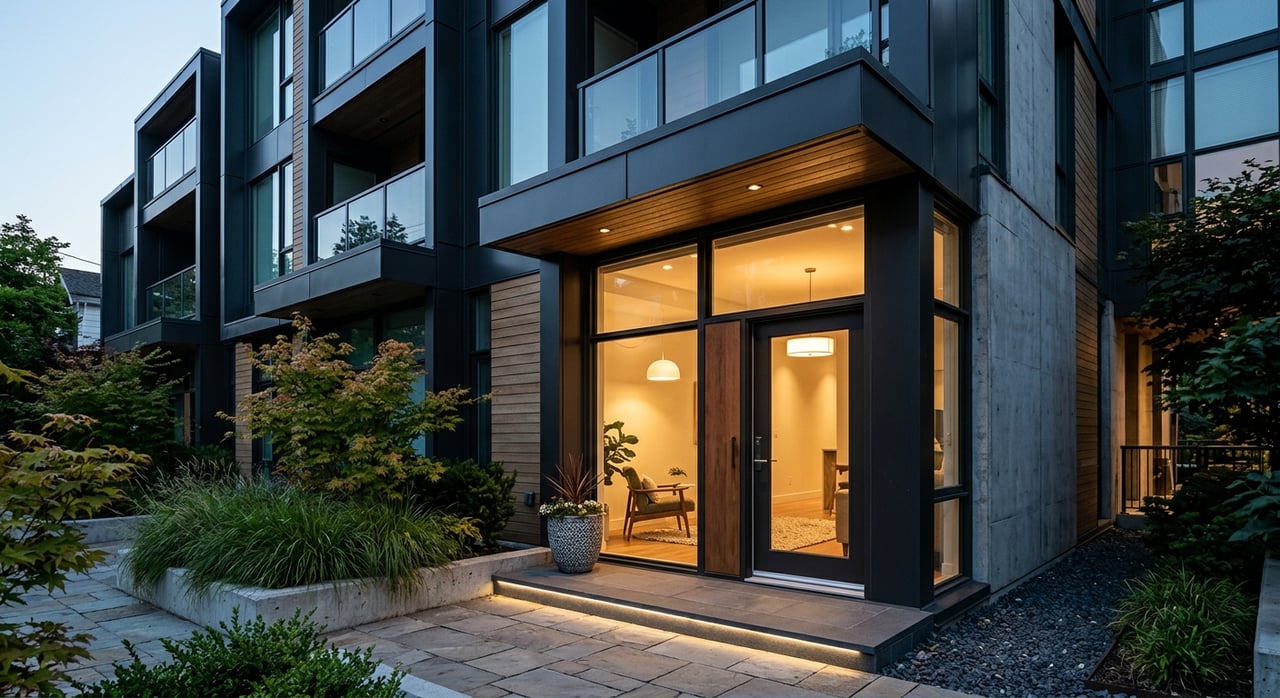
What It’s Like To Live In Mississauga’s Waterfront And Core
March 26, 2026
March 26, 2026
Thinking about mornings by the lake or evenings steps from a major arts square? If Mississauga is on your list, you’re likely comparing its waterfront villages with the high‑rise energy around Square One. You want a clear picture of daily life, housing types, and how easy it is to get around. In this guide, you’ll learn the vibe, commute choices, and tradeoffs so you can choose the area that fits your routine. Let’s dive in.
Mississauga’s lakeshore strings together parks, trails, marinas, and compact “village” centres. You’ll find walkable main streets in some spots and quiet boardwalks in others. Weekends often mean shoreline walks, patio lunches, or a festival close to home.
Port Credit centers on a tight main street along Lakeshore Road with cafés, patios, and a working harbour. It hosts year‑round events like the well‑known Southside Shuffle, which draws music fans to the village core. If you like an intimate, walkable scene with frequent community events, this is a strong fit. Explore the Southside Shuffle’s event vibe.
Housing is mixed. You’ll see low‑ and mid‑rise condos near the lakeshore and GO station, with older detached and semi‑detached homes a short walk or bike ride inland. Many weekday commuters value the quick access to regional rail.
Farther west, Clarkson offers quieter streets and fast access to conservation lands. Rattray Marsh is a protected coastal marsh with boardwalks and lookout points, great for low‑key evening walks and weekend birding. See Rattray Marsh’s boardwalk setting.
Lakeview is Mississauga’s largest waterfront redevelopment. The Lakeview Village master plan covers about 177 acres and is being delivered in phases with new parks, an extended waterfront trail, a landmark pier, and a planned district energy system. Over time, it is expected to add thousands of homes, with plans that contemplate up to 16,000 units across phases. Review the City’s Lakeview Village plan.
What to expect on the ground: new mid‑ to high‑density housing, better walking and biking connections along the shoreline, and multi‑year construction as the full vision rolls out.
Mississauga’s downtown core reads like a true urban node. Square One anchors the area alongside the City Centre Transit Terminal, Celebration Square, and the Living Arts Centre. The City describes Square One as Ontario’s biggest shopping destination and among Canada’s largest, which makes errands and entertainment simple. Learn how Square One shapes the core.
You’ll find frequent public events at Celebration Square and a full slate of performances at the Living Arts Centre. That combination creates a lively, city feel most evenings and weekends. Check the Living Arts Centre venue info.
City Centre is dominated by mid‑ and high‑rise condos and mixed‑use buildings, with retail at street level and residences above. Compared with the lakeshore villages, the core feels more vertical and walkable, with less private outdoor space per unit and many amenities within a short walk. See the City’s downtown mobility and development context.
Driving is common across Mississauga, with the QEW, 403, 401, and 407 providing regional access. Commute times vary widely by time of day, so test your specific route during your typical hours.
Prices shift month to month, and they vary by home type and area. For a citywide snapshot, the Toronto Regional Real Estate Board reported a GTA average selling price of about $1,008,968 in February 2026. Condos in City Centre and mid‑rises along the waterfront generally differ from detached options in older pockets nearby. For current numbers, review the latest TRREB Market Watch. See TRREB’s most recent update.
Choose the waterfront if you want:
Choose the City Centre core if you want:
Ready to compare listings, plan a commute test run, or map a budget by home type? Reach out to Team Durrani for a focused conversation and a step‑by‑step plan that fits your timeline.
Stay up to date on the latest real estate trends.
Whether you're buying, selling, or investing, Team Durrani is ready to provide the expertise and dedication you deserve. Contact us today to begin a professional, transparent, and results-driven real estate journey.
Team Durrani
Address
17-1075 North Service Rd. W
Oakville, Ontario, L6M 2G2