Mississauga Rental Market Guide for Smart Investors
April 16, 2026
April 16, 2026
If you are thinking about buying a rental property in Mississauga, the numbers can feel both promising and tricky. Rents are still high, but leasing is not as effortless as it looked a few years ago, and small investors need a plan that works on paper before they rely on future appreciation. In this guide, you will get a practical look at Mississauga’s rental market, the property types small investors actually use, and the underwriting details that can make or break your return. Let’s dive in.
Mississauga remains an expensive rental market, but conditions have softened from the peak leasing frenzy. According to the City of Mississauga’s 2025 Housing Needs Assessment, average monthly rent in the city’s primary market reached $1,877 in 2024, while the secondary market averaged $2,807.
That difference matters if you are comparing a purpose-built rental to a condo, basement suite, or other secondary-market unit. The same report shows that for 2-bedroom units, Peel’s secondary market averaged $2,674, compared with $1,941 in Mississauga’s primary market. In plain terms, the type of property you buy can change your rent target quite a bit.
Vacancy also needs context. The City notes that 3% vacancy is generally considered balanced, while a reported 2024 CMHC vacancy rate of 3.9% was affected by a data anomaly. At the same time, CMHC rental market data suggests leasing has become more competitive, especially in some newer buildings and select submarkets.
Even with softer conditions, rental demand in Mississauga has not disappeared. Supply remains tight over the long term, and the City says only 2,200 rental units were constructed since 2005. That helps explain why rents remain elevated even as landlords face more competition in certain pockets.
The City is also supporting more rental housing creation. In 2025, Mississauga announced funding that unlocked more than 1,400 shovel-ready rental units, including almost 400 with more affordable rents, through its affordable-rental incentive program. For you as an investor, that means new supply is coming, but it is not likely to solve the broader supply gap overnight.
Small investors in Mississauga usually focus on a few realistic entry points. Each comes with a different balance of price, rent potential, carrying costs, and management complexity.
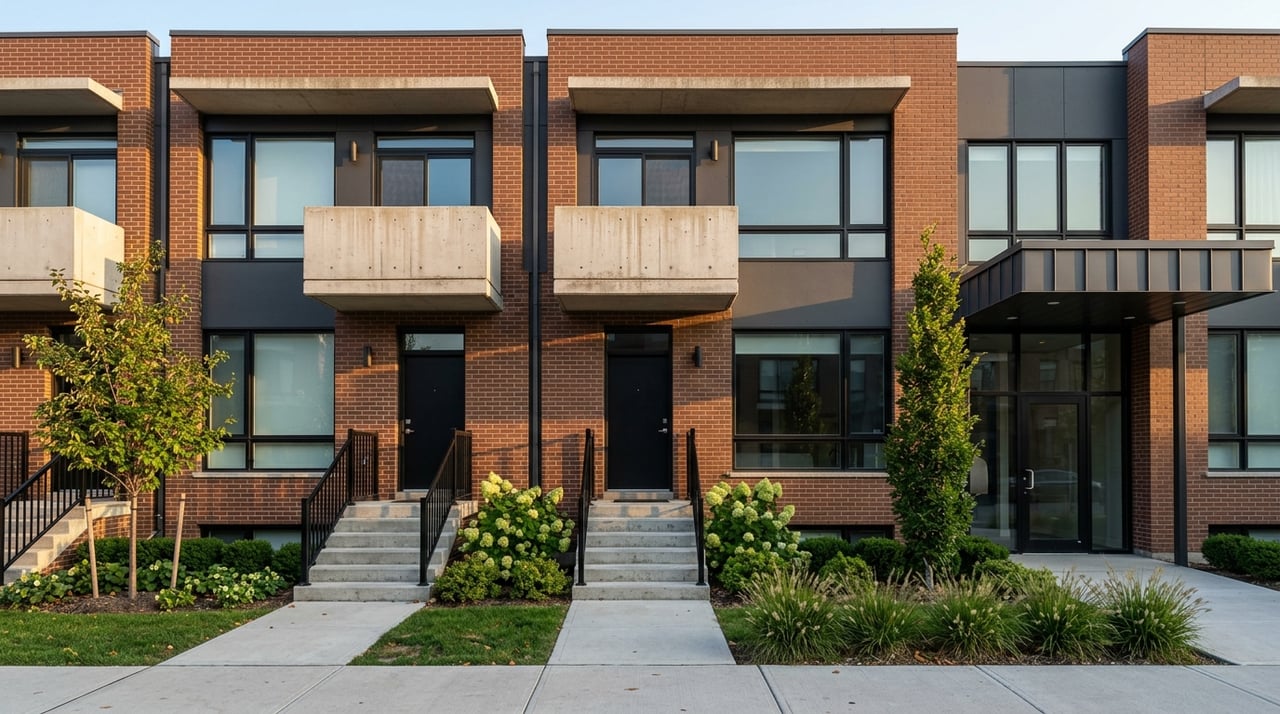
Condos remain one of the most common entry points for small investors. Mississauga’s Housing Needs Assessment reports that Peel had 51,821 condo units in 2024, and 16,141 of them, or 31.1%, were rental units. That is a meaningful existing rental pool, and it shows how established condo investing is in the local market.
Condos can be attractive because they are familiar to tenants and widely available in many parts of Mississauga. But they also come with condo fees, building rules, and leasing competition, especially in newer buildings where incentives may be needed to attract tenants.
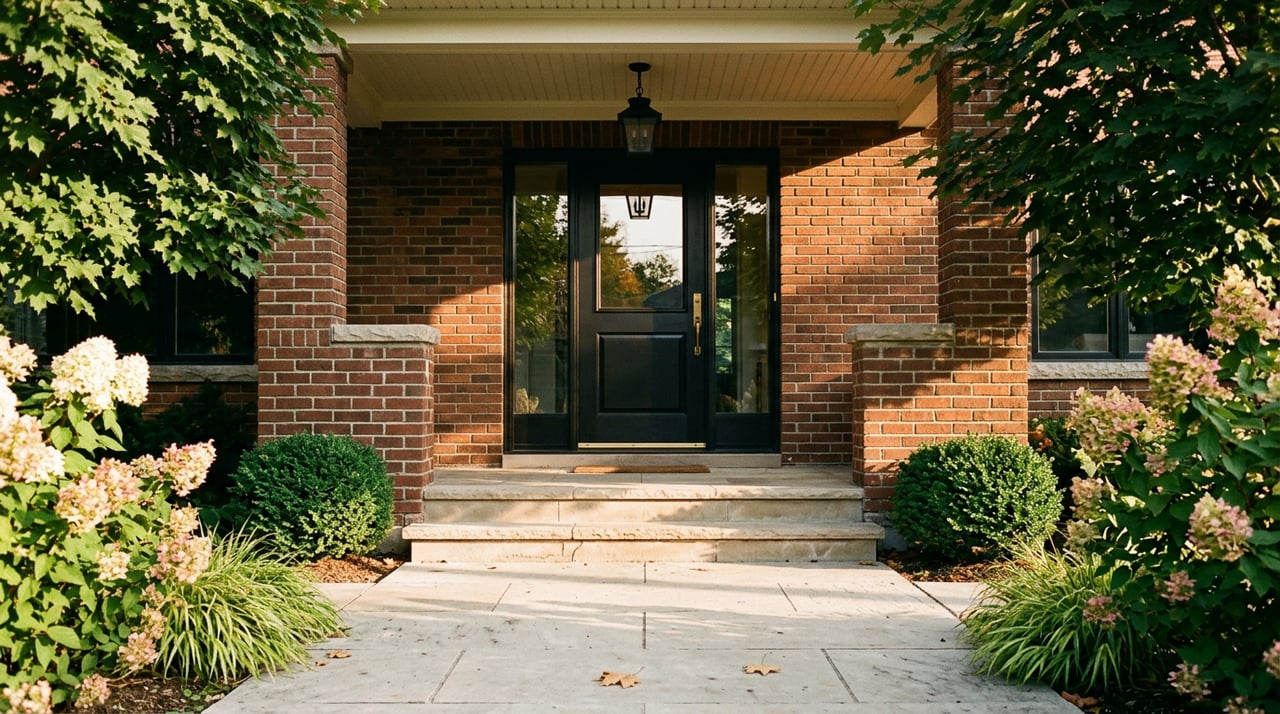
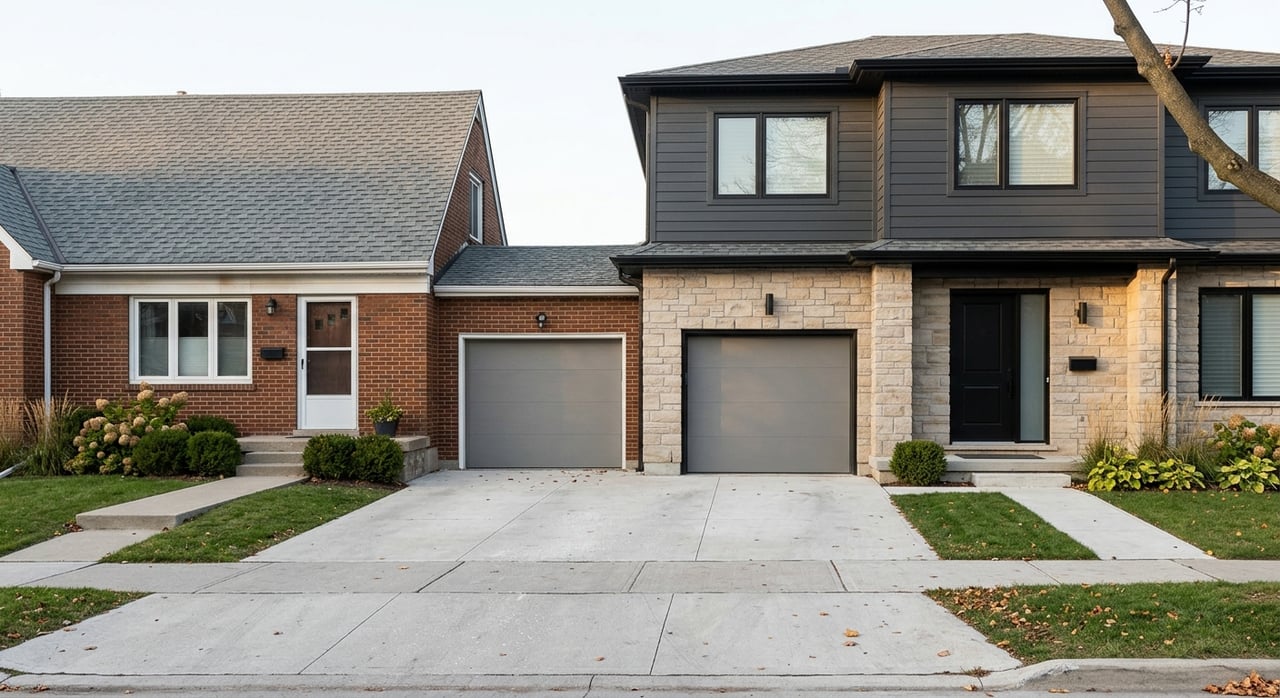
Freehold homes and townhomes can offer more flexibility than condos. Mississauga now allows detached, semi-detached, and townhome properties to add up to two additional residential units or a fourplex under current rules for building more units on your property.
That can create a different investment path. Instead of relying on one rental unit, you may be able to create multiple income streams through a second unit, additional units, or a small multiplex format, subject to the property and approvals.
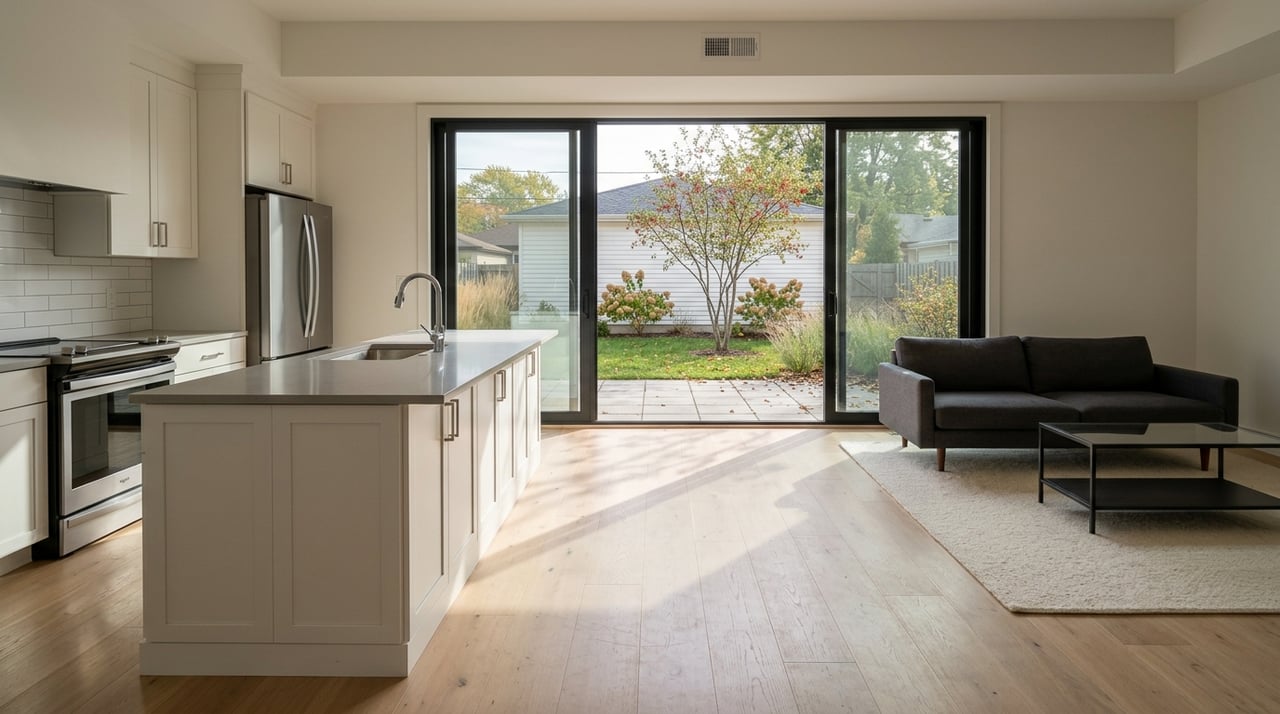
For small investors who want flexibility, additional units are a major part of the Mississauga story right now. The City defines a second unit as a self-contained basement or in-law suite within a detached, semi-detached house, or townhouse. This can be a practical strategy if you want to improve cash flow without taking on a larger commercial-style asset.
Mississauga’s policy direction clearly supports gentle density. The City’s Gentle Density Incentive Program supports second, third, and fourth rental units and notes fee relief for certain projects, including waived building permit fees for homeowners building or legalizing additional residential units, plus development charge and parkland fee relief for fourth units.
Garden suites are becoming more realistic for small-scale investors and owner-investors. Mississauga offers pre-approved garden suite plans for one-bedroom and studio layouts, which can help simplify early planning.
That said, you still need to budget carefully. The City states that its materials list is only a reference guide and does not include pricing, labour, or servicing costs, so you should treat it as a starting point rather than a complete financial model.
Some investors assume short-term rentals will produce better returns than long-term leases. In Mississauga, that strategy is heavily regulated. The City requires a short-term rental to be operated from the host’s principal residence, and operators need a licence through its short-term accommodation rules.
The annual licence fee is $283, and unlicensed operation can lead to fines of up to $100,000. For most long-term investors, that makes short-term rental a limited and compliance-heavy option, not a simple substitute for a standard lease.
A conservative underwriting model matters more in a market where tenants have more choice. It is easy to make a deal look good if you assume perfect rents, instant lease-up, and no downtime. That is rarely the safest way to buy.
Use unit-specific rent assumptions rather than broad averages alone. The City points out that CMHC average market rent is often lower than the rents landlords advertise to new tenants, so your achievable rent should be tested against the actual product you plan to own.
Newer buildings deserve extra caution. CMHC reports that projects built in the past three years had vacancy near 7%, and 75% of those structures offered incentives such as one to two months of free rent. If you are buying in a newer condo tower, build that softer lease-up reality into your numbers.
Ontario’s rules can affect how much future rent growth you should assume. The province’s renting in Ontario guide says the 2026 rent increase guideline is 2.1% for most tenants, and landlords generally need 90 days’ notice for guideline increases.
However, not every unit is treated the same way. New buildings, additions, and most new basement apartments first occupied after November 15, 2018 are exempt from rent control, which means your underwriting should reflect the building age and first-occupancy date of the specific unit you are evaluating.
Your model should include more than mortgage and property tax. A practical cash-flow review should also account for:
If the property is partly owner-occupied, expense allocation becomes more nuanced. The CRA’s rental income guide says expenses should be split between personal and rental portions, usually by square metres or number of rooms, and it also distinguishes current repairs from capital expenses.
One of the biggest mistakes small investors make is assuming every unit will rent quickly at top-of-market pricing. In the current environment, lease-up speed depends heavily on the type of unit and the submarket.
CMHC notes that in 2025, purpose-built vacancy in the GTA was 3.0%, while condo-apartment vacancy was 1.0%. Within Mississauga, Centre/Streetsville posted 4.3%, and neighbourhoods near post-secondary demand in Mississauga and Brampton were above 4%. That suggests slower absorption in some locations, especially where there is newer supply or student-sensitive demand.
For you, the takeaway is simple: budget for a slower lease-up if the property is in a highly competitive building or submarket. A great unit can still perform well, but speed and pricing are not guaranteed.
If your strategy involves major renovation, conversion, or redevelopment, local rules matter. Mississauga’s Rental Housing Protection By-law requires one-for-one retention or replacement of rental units at similar rents when rental units are converted or demolished.
The City also approved a Rental Repairs and Renovations Licensing By-law that takes effect on September 1, 2026. If you are considering a teardown, large multiplex conversion, or heavy renovation strategy, these rules should be part of your early due diligence, not an afterthought.
If you are deciding where to start, this quick framework can help:
Neither path is automatically better. The better choice depends on your budget, risk tolerance, financing, timeline, and willingness to manage complexity.
For small investors, professional advice is part of underwriting, not just closing. A lender or mortgage broker can test your monthly carry under current financing terms. A lawyer can review title, lease forms, condo documents, and local compliance issues. An accountant can help you understand deductible expenses, capital costs, and personal-use allocation.
That approach aligns with how Team Durrani works with investor clients. The goal is not just to find a property. It is to help you evaluate whether the property supports your long-term wealth-building plan with clear eyes and realistic assumptions.
If you are exploring rental property opportunities in Mississauga, Team Durrani can help you assess locations, compare property types, and move forward with a detail-driven strategy that fits your goals.
Stay up to date on the latest real estate trends.

Whether you're buying, selling, or investing, Team Durrani is ready to provide the expertise and dedication you deserve. Contact us today to begin a professional, transparent, and results-driven real estate journey.
Team Durrani
Address
17-1075 North Service Rd. W
Oakville, Ontario, L6M 2G2